





Trip Price Calculator
Popular transfers from Limassol
Prices below are daytime estimates. Night trips are approximately 10% higher. Enter your exact addresses and departure time — the calculator can calculate any route in Cyprus and automatically apply the daytime or night tariff.
Calculate your trip
Larnaca Airport ↔ Limassol
€60–€85
Paphos Airport ↔ Limassol
€55–€80
Paphos ↔ Limassol
€65–€90
Larnaca ↔ Limassol
€55–€80
Nicosia ↔ Limassol
€70–€95
Ayia Napa ↔ Limassol
€100–€125
Protaras ↔ Limassol
€105–€130
Troodos ↔ Limassol
€65
Cannot find your destination? Calculate a daytime or night trip for any route in Cyprus.
Open the calculator
📍 Check the area and postcode
Cyprus has streets with the same name in different areas. Enter the locality or district and the 4-digit postcode — the postcode is especially important.
Enter your exact pickup address or start the trip from your current location by pressing “My location”.
Quick destinations
or enter any other address above.
YOUR ROUTE IS CALCULATED
Pickup → Destination
Mercedes E-Class
Up to 4 passengers • up to 3 suitcases
— €
Private transfer
The vehicle is exclusively for you
What is included
✓ Fixed trip price
✓ No hidden fees
✓ Flight tracking
✓ Airport meeting
✓ Waiting for delays
✓ Payment to the driver
Private Tours in Cyprus




Attractions of Cyprus
Discover the island’s most beautiful, historic and legendary places
Discover Cyprus
Beaches & coast
Nissi Beach
- Turquoise water
- Sandy beach
- Seaside escape
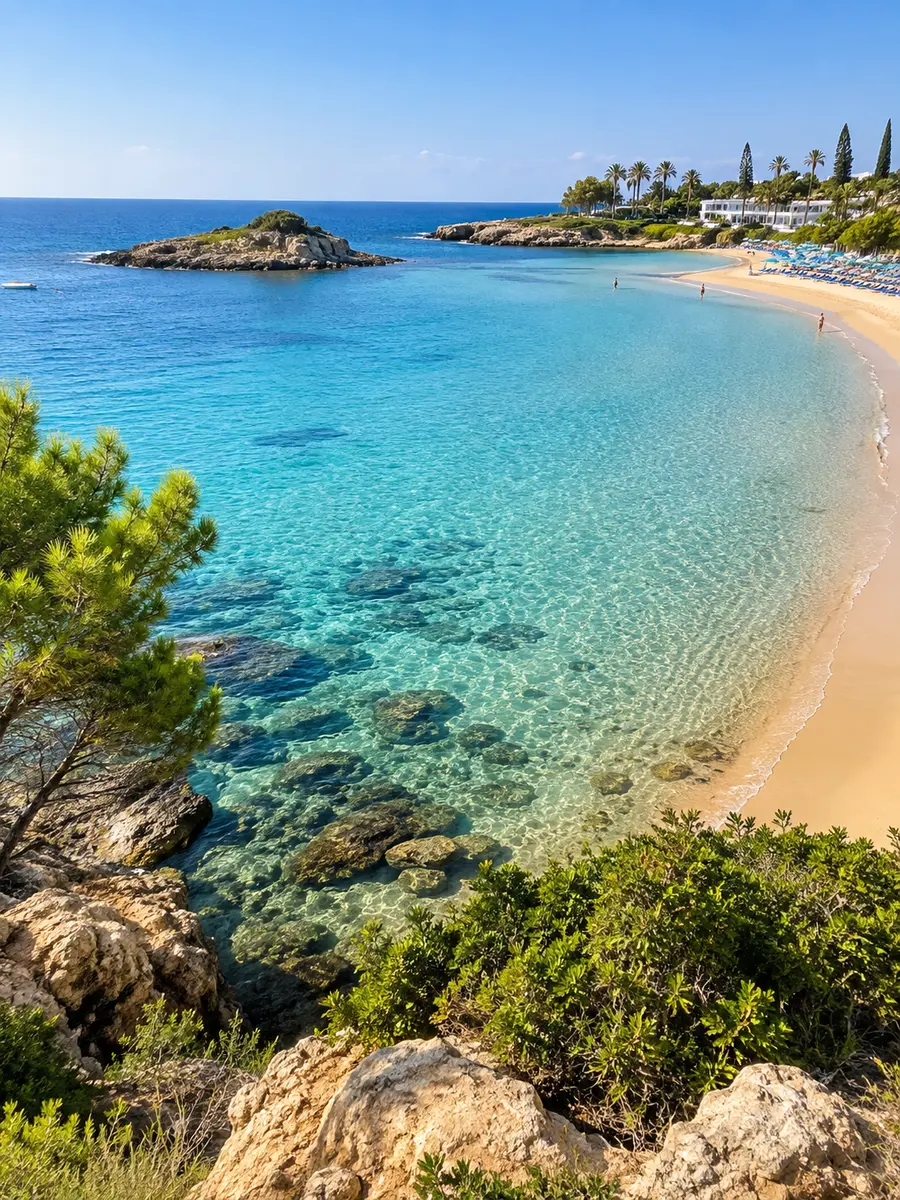
Fig Tree Bay
- Family beach
- Clear water
- Panoramic views
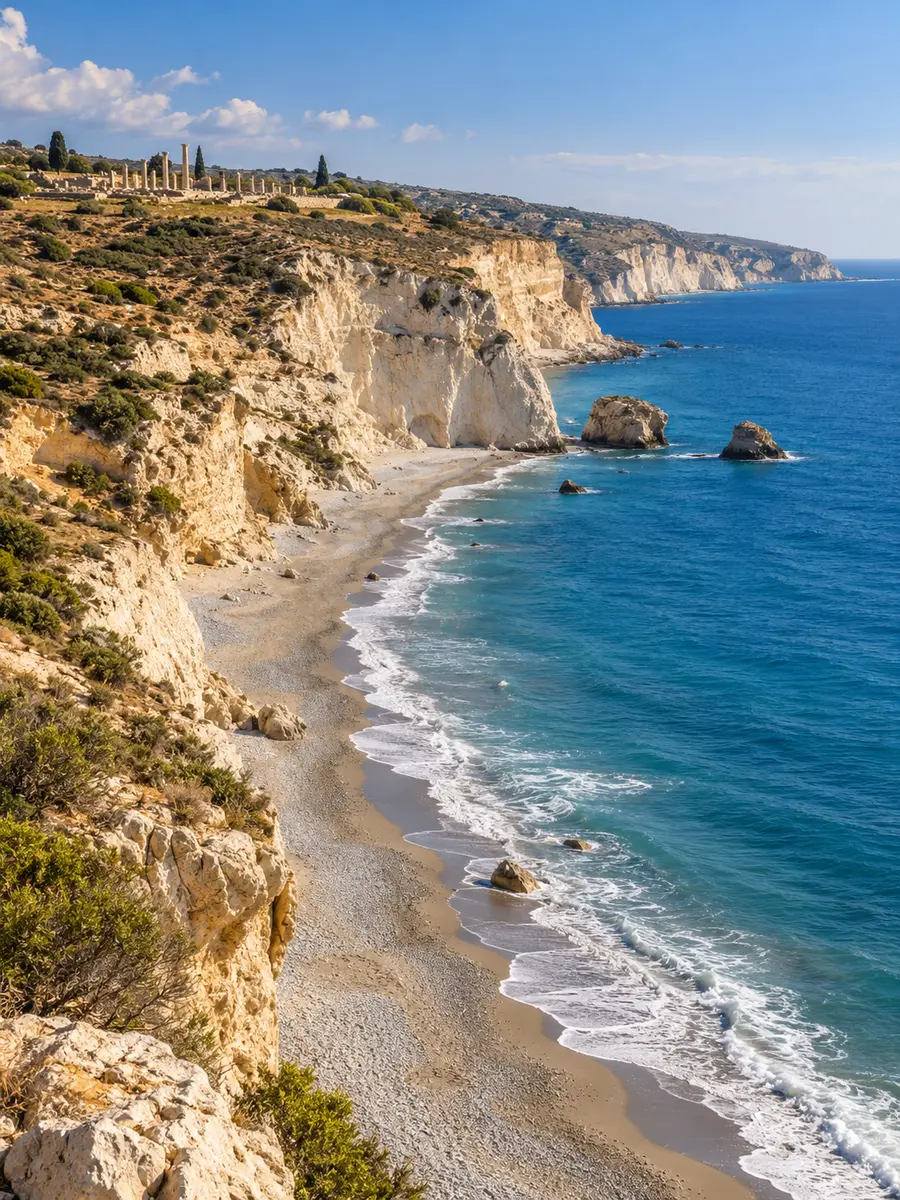
Kourion Beach
- Sea and history
- Scenic cliffs
- Open coast

Coral Bay
- Sheltered bay
- Soft sand
- Family friendly
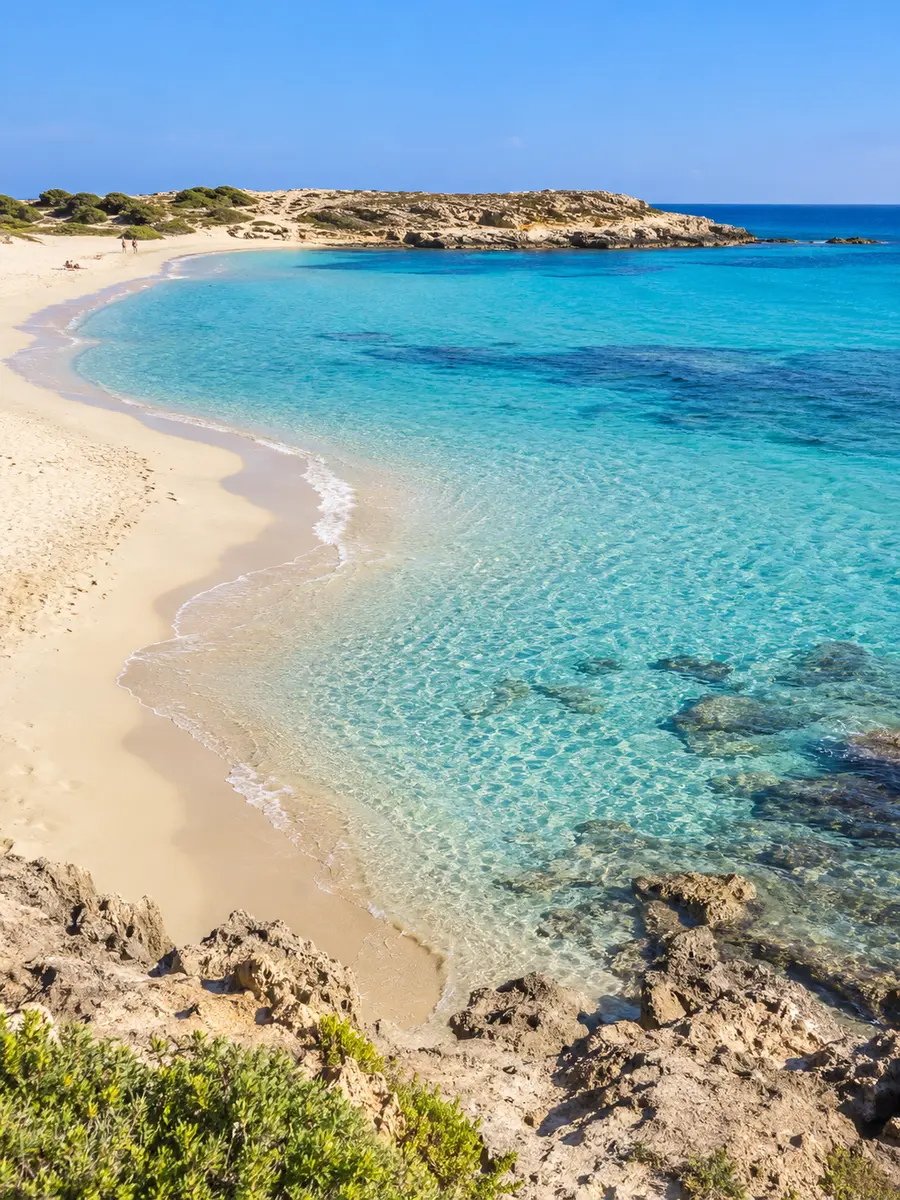
Makronissos Beach
- Golden sand
- Calm coves
- Ancient tombs nearby
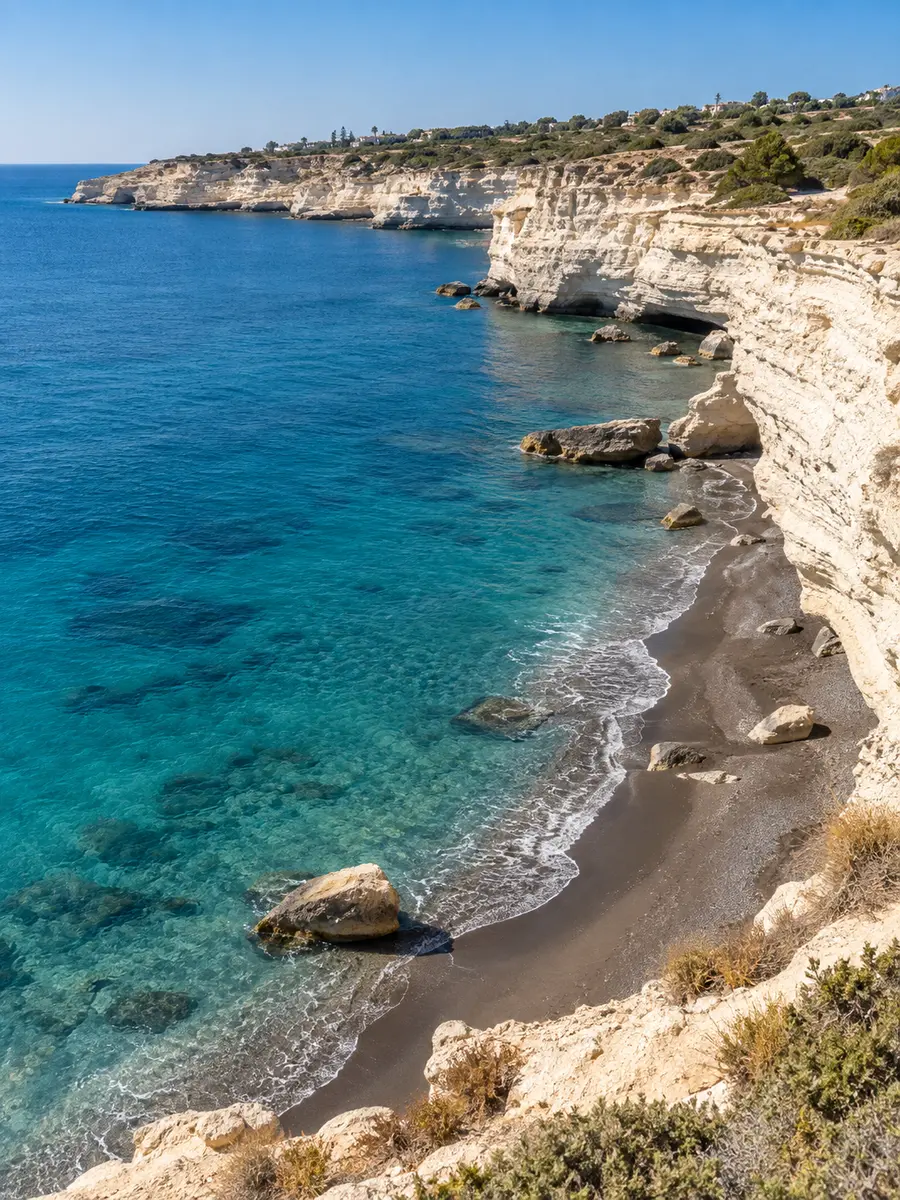
Governor’s Beach
- White cliffs
- Dark sand
- Small coves
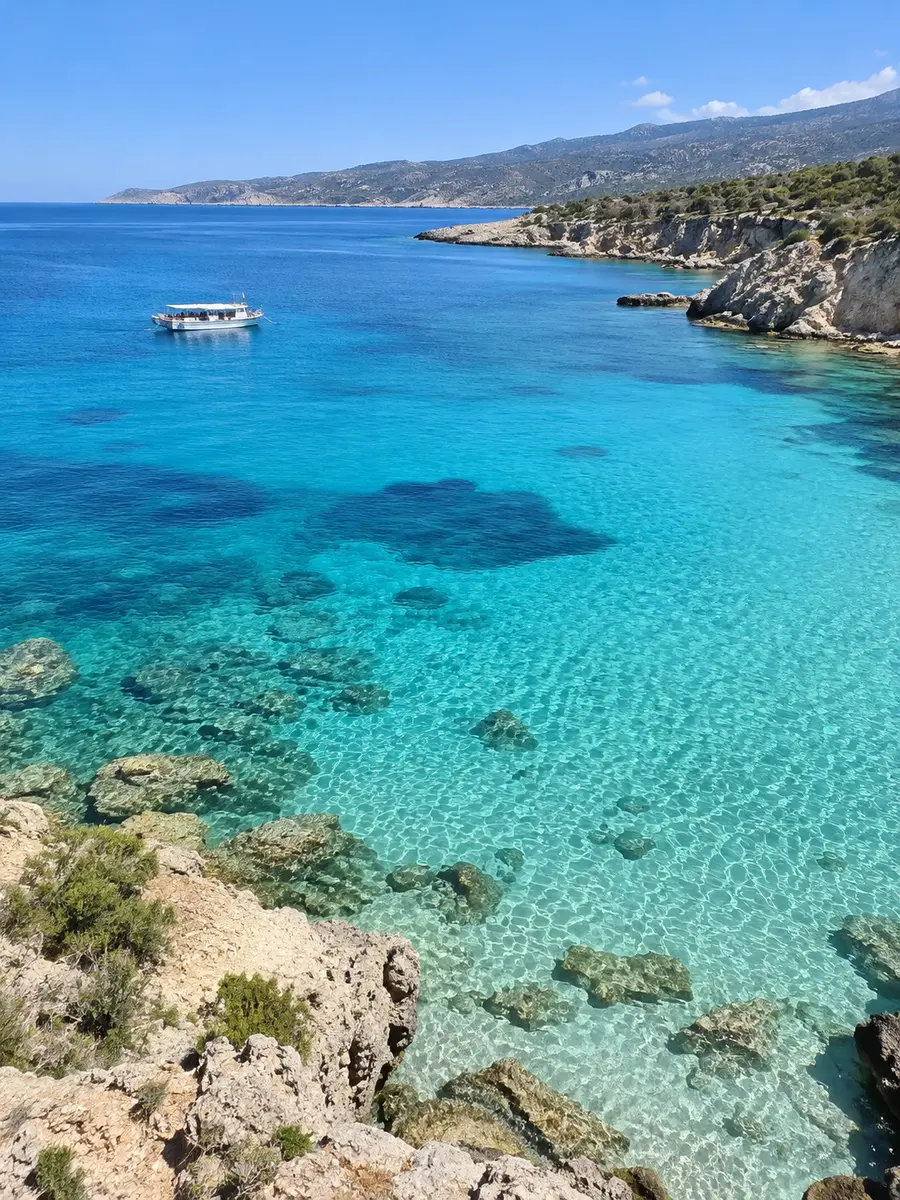
Blue Lagoon, Akamas
- Crystal water
- Boat trip
- Wild nature
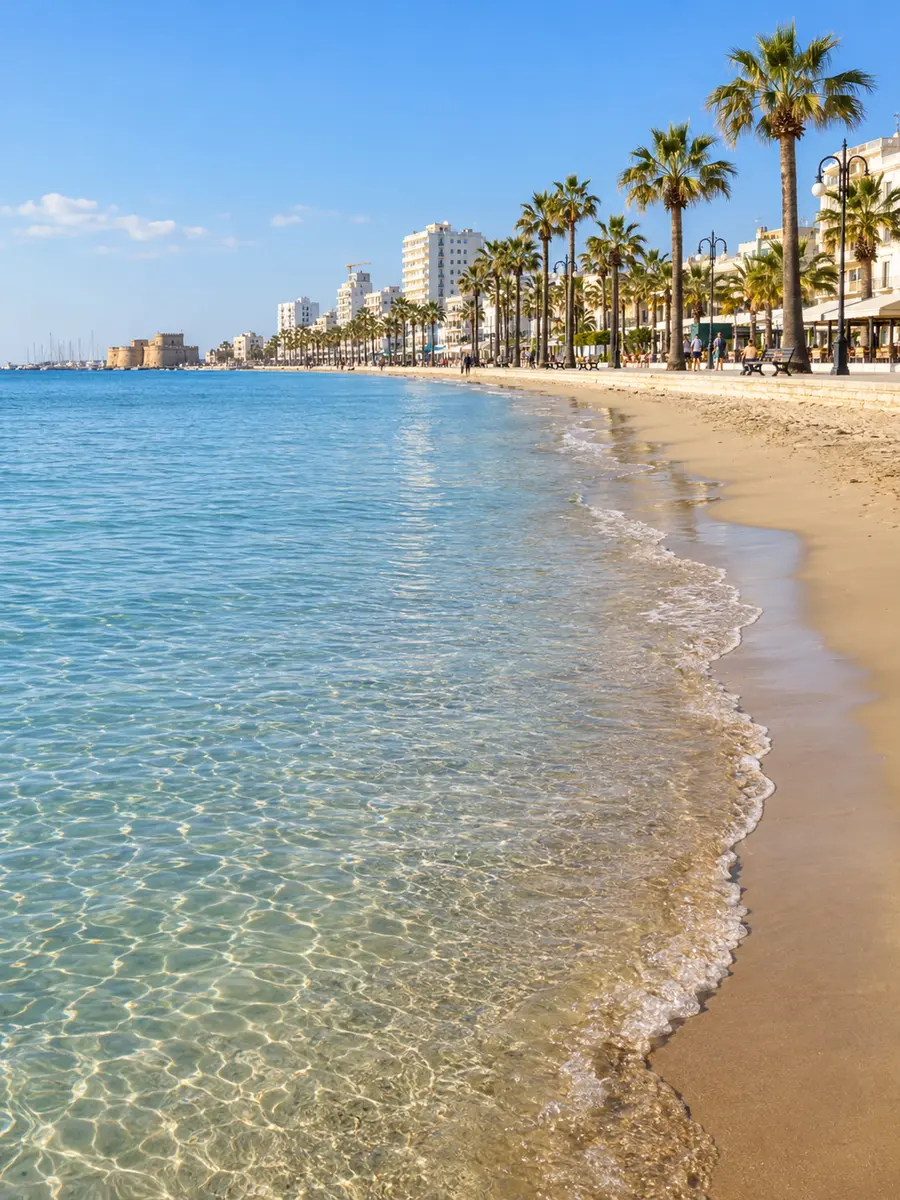
Finikoudes Beach
- Heart of Larnaca
- Palm promenade
- City beach
History & archaeology
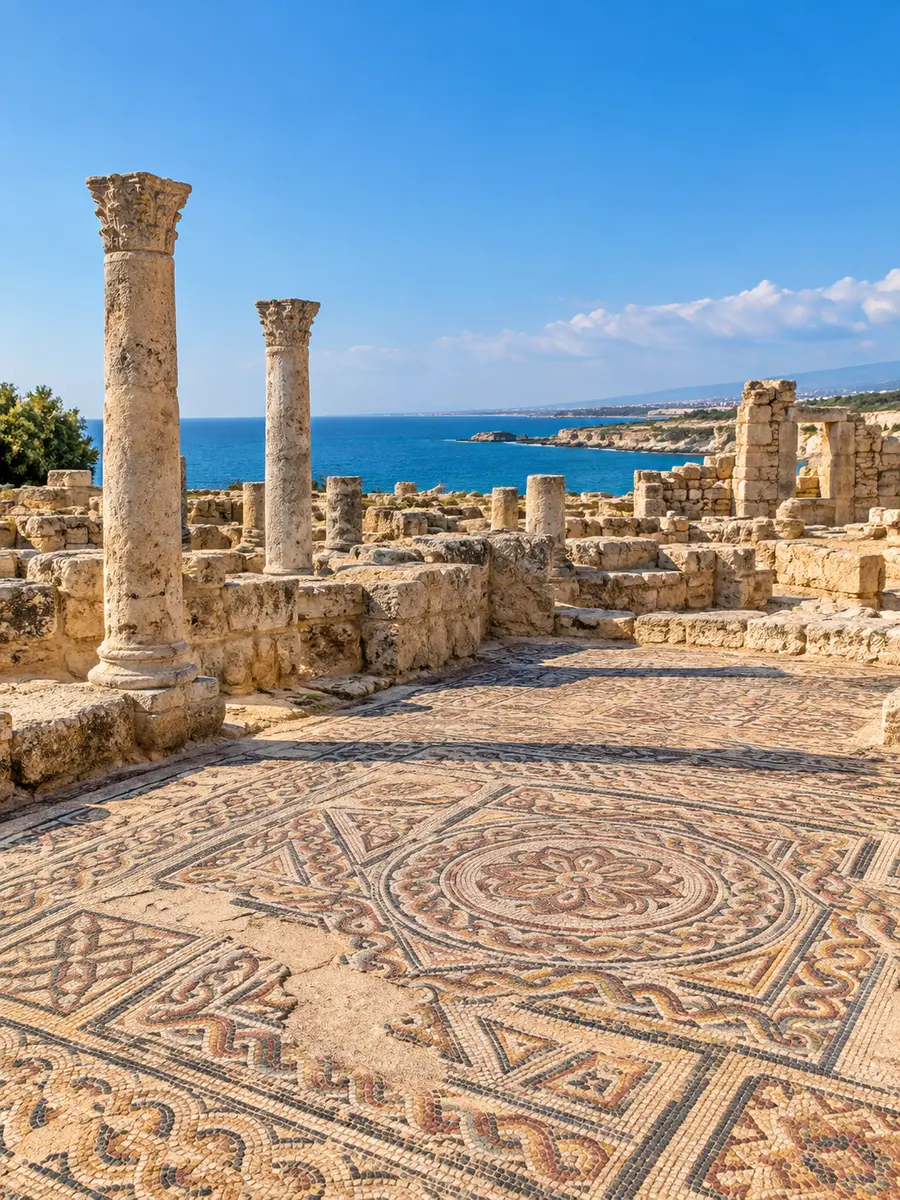
Paphos Archaeological Park
- Worth seeing
- Cyprus heritage
- Beautiful views
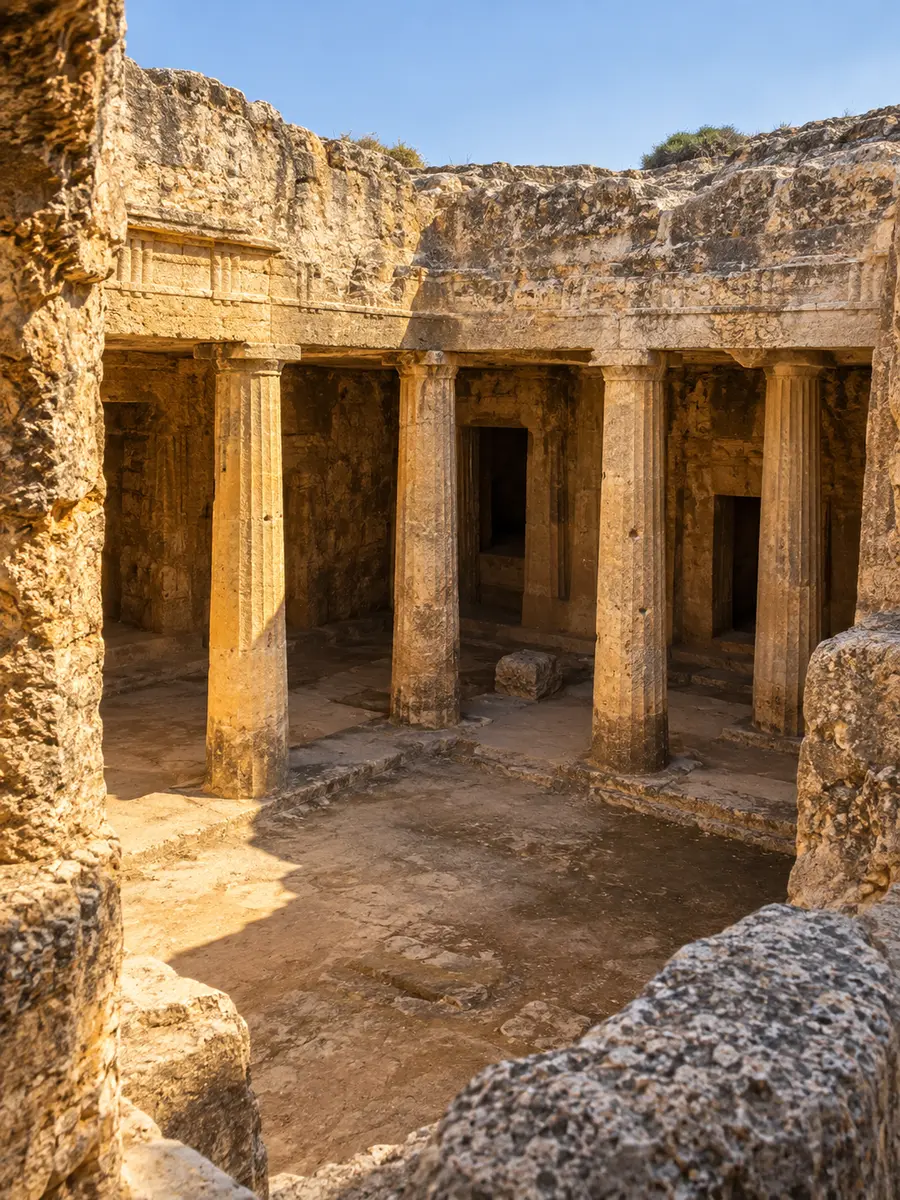
Tombs of the Kings
- Worth seeing
- Cyprus heritage
- Beautiful views
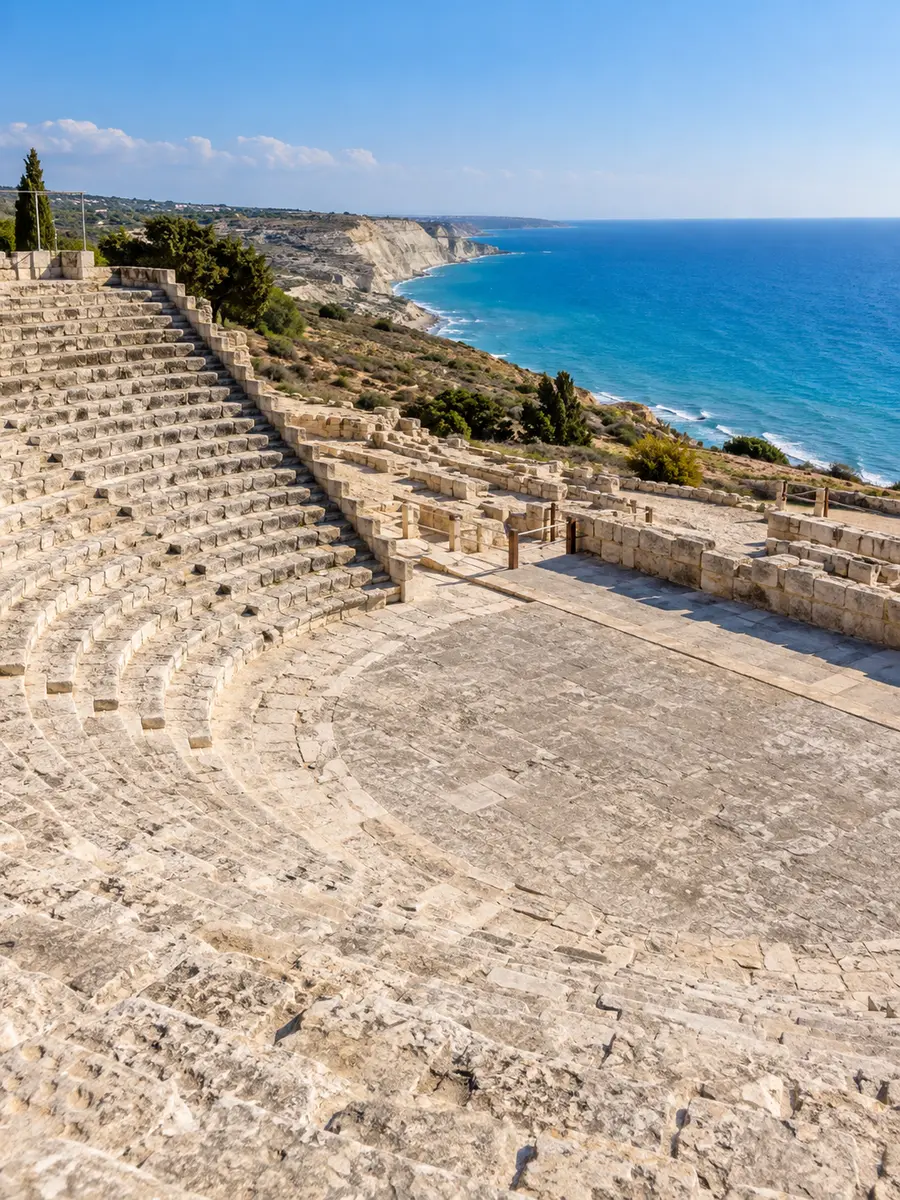
Kourion
- Worth seeing
- Cyprus heritage
- Beautiful views
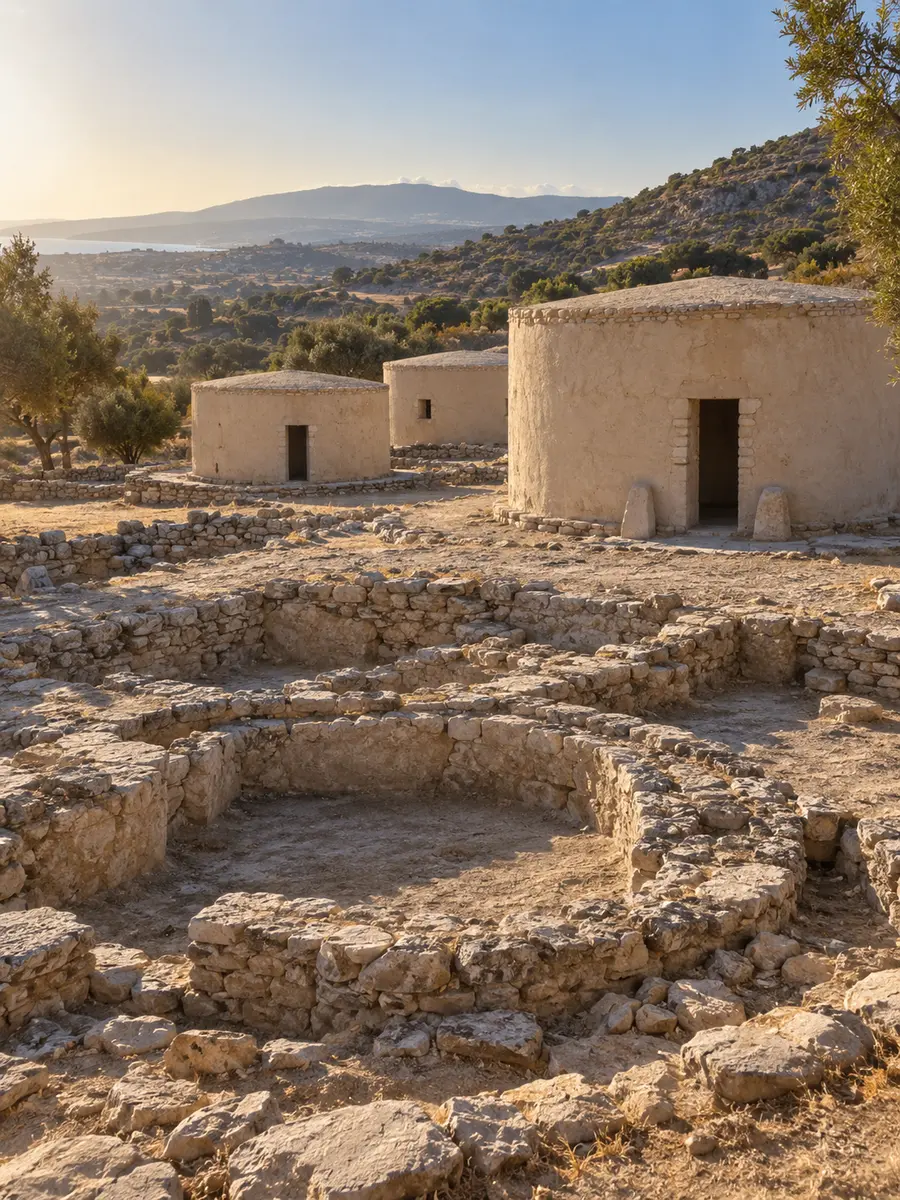
Choirokoitia
- Worth seeing
- Cyprus heritage
- Beautiful views
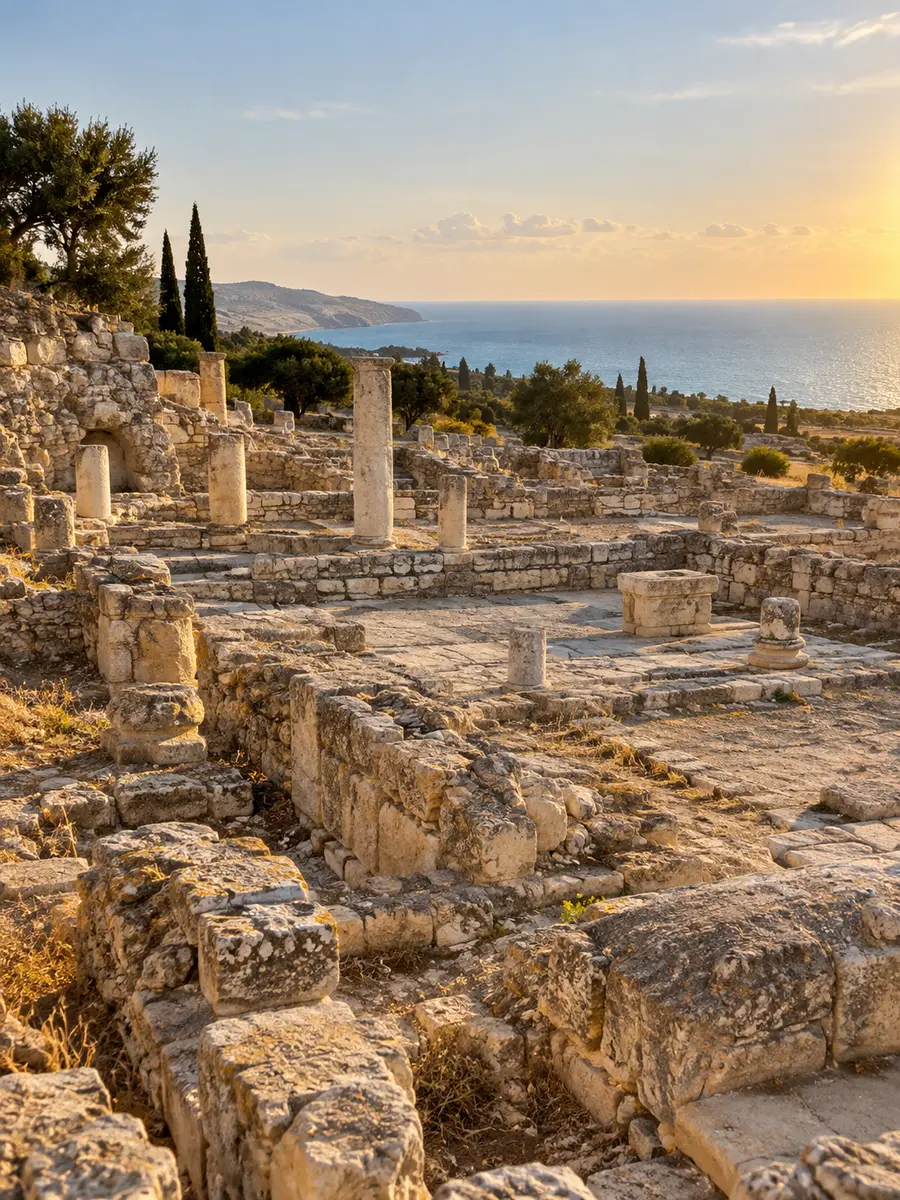
Amathus
- Worth seeing
- Cyprus heritage
- Beautiful views
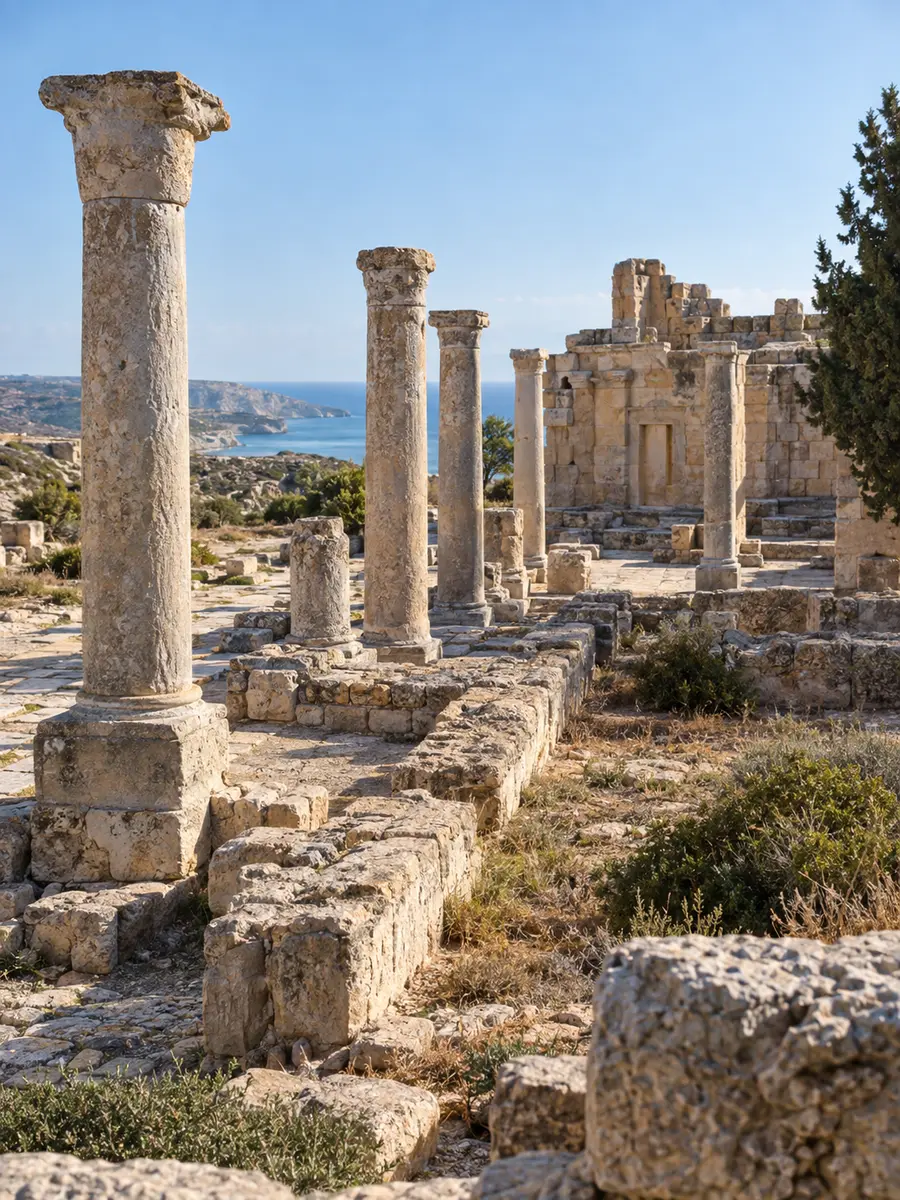
Sanctuary of Apollo Hylates
- Worth seeing
- Cyprus heritage
- Beautiful views
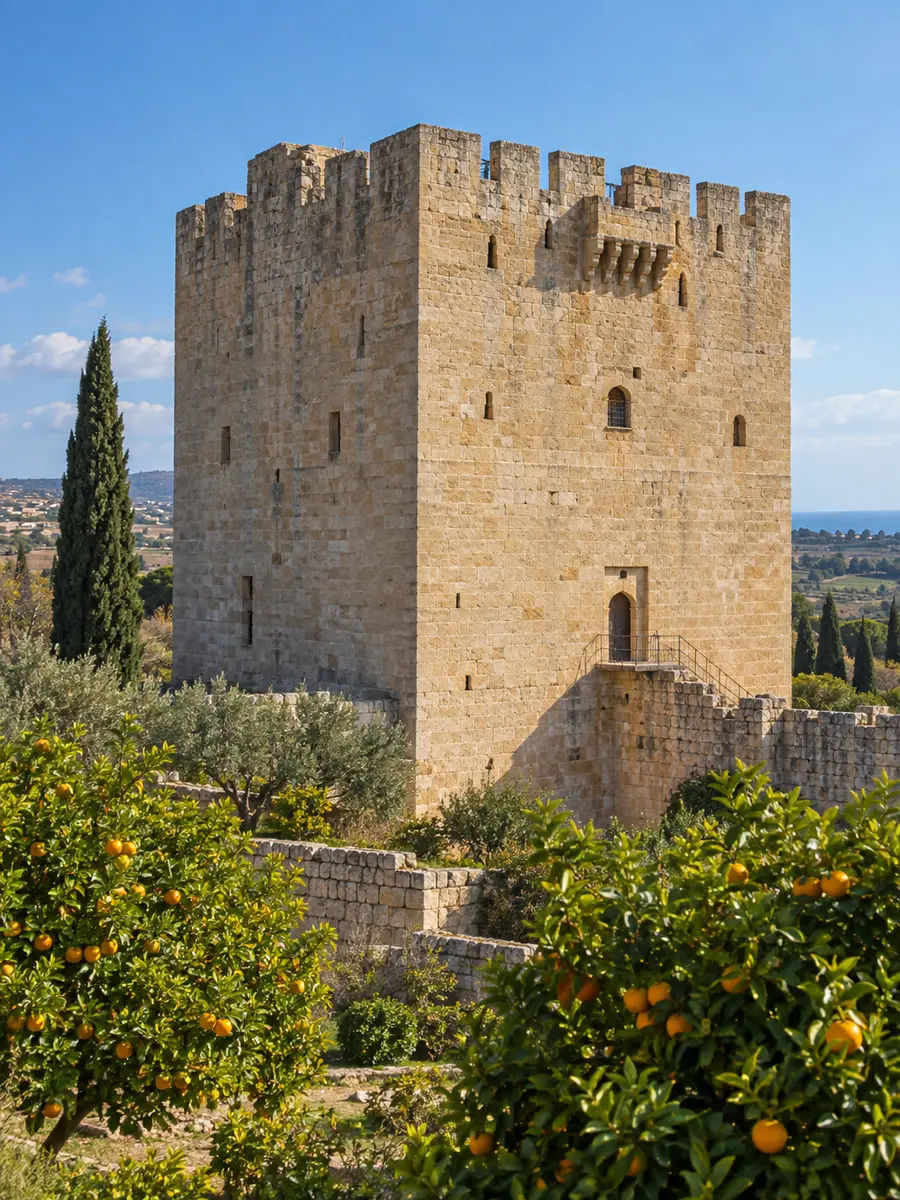
Kolossi Castle
- Worth seeing
- Cyprus heritage
- Beautiful views
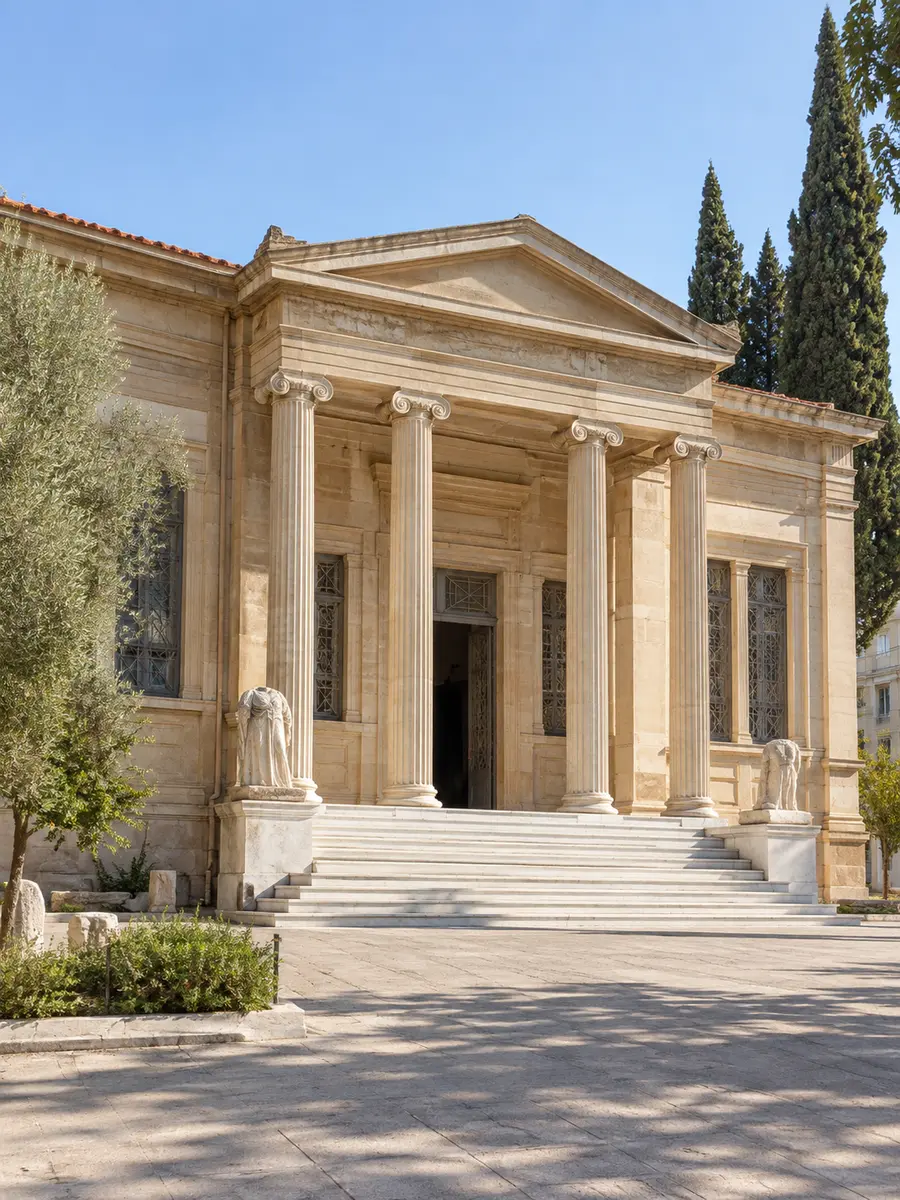
Cyprus Museum
- Worth seeing
- Cyprus heritage
- Beautiful views
Nature & mountains
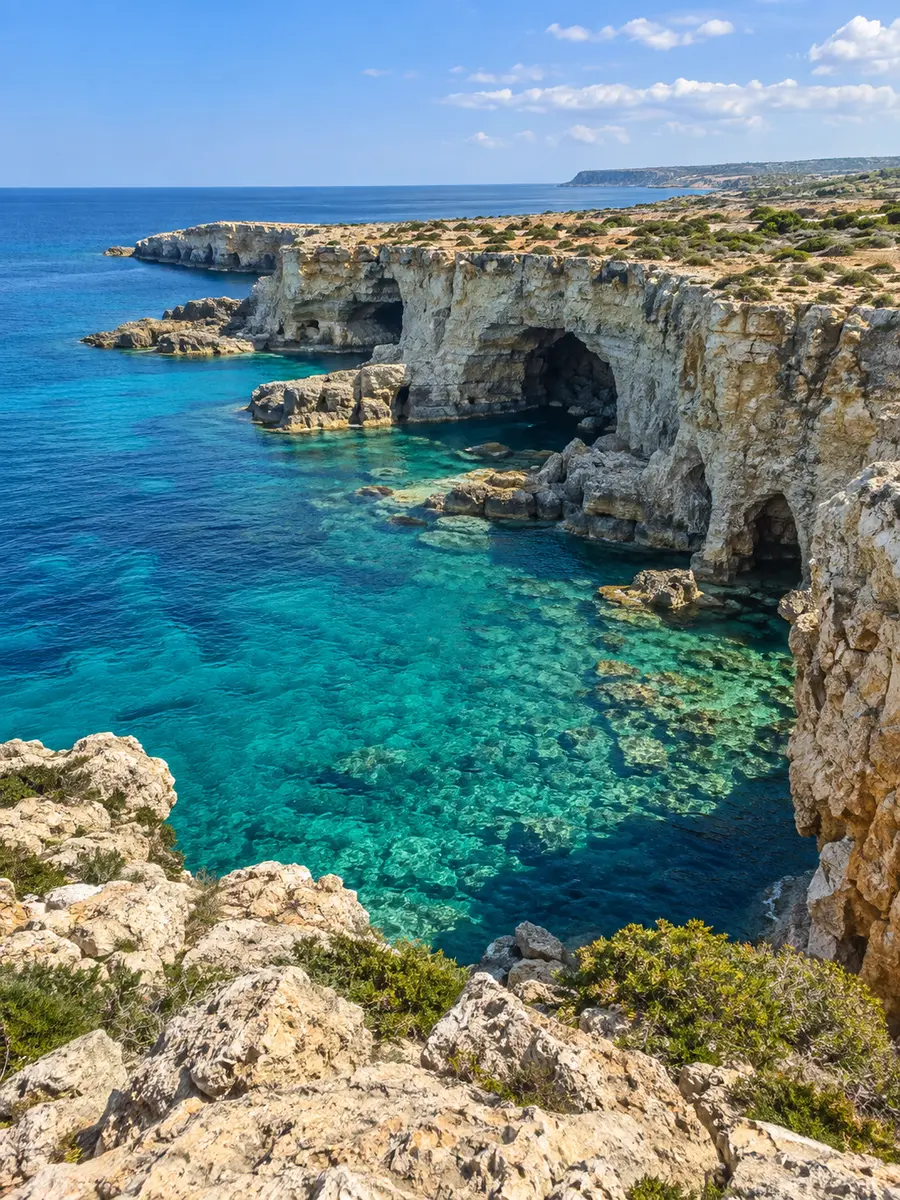
Cape Greco
- Worth seeing
- Cyprus heritage
- Beautiful views
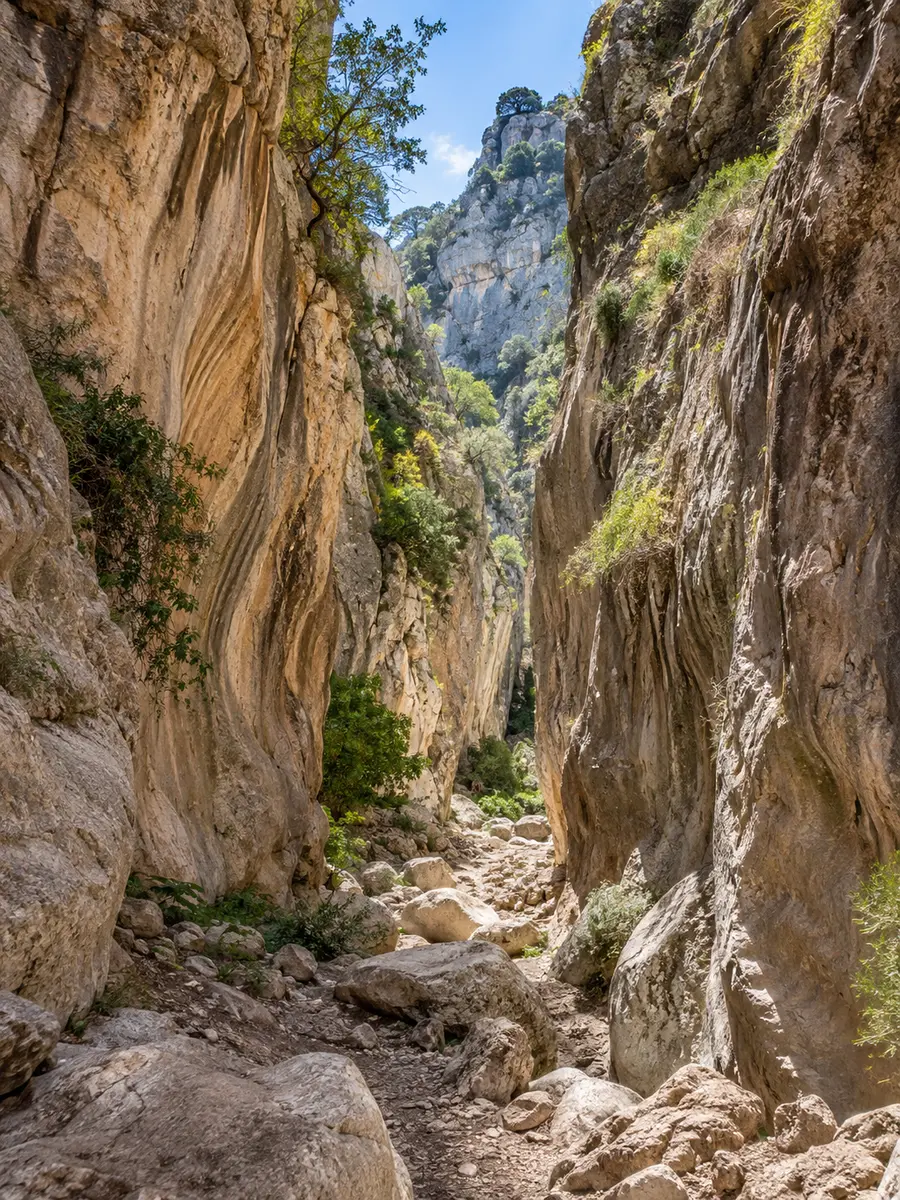
Avakas Gorge
- Worth seeing
- Cyprus heritage
- Beautiful views
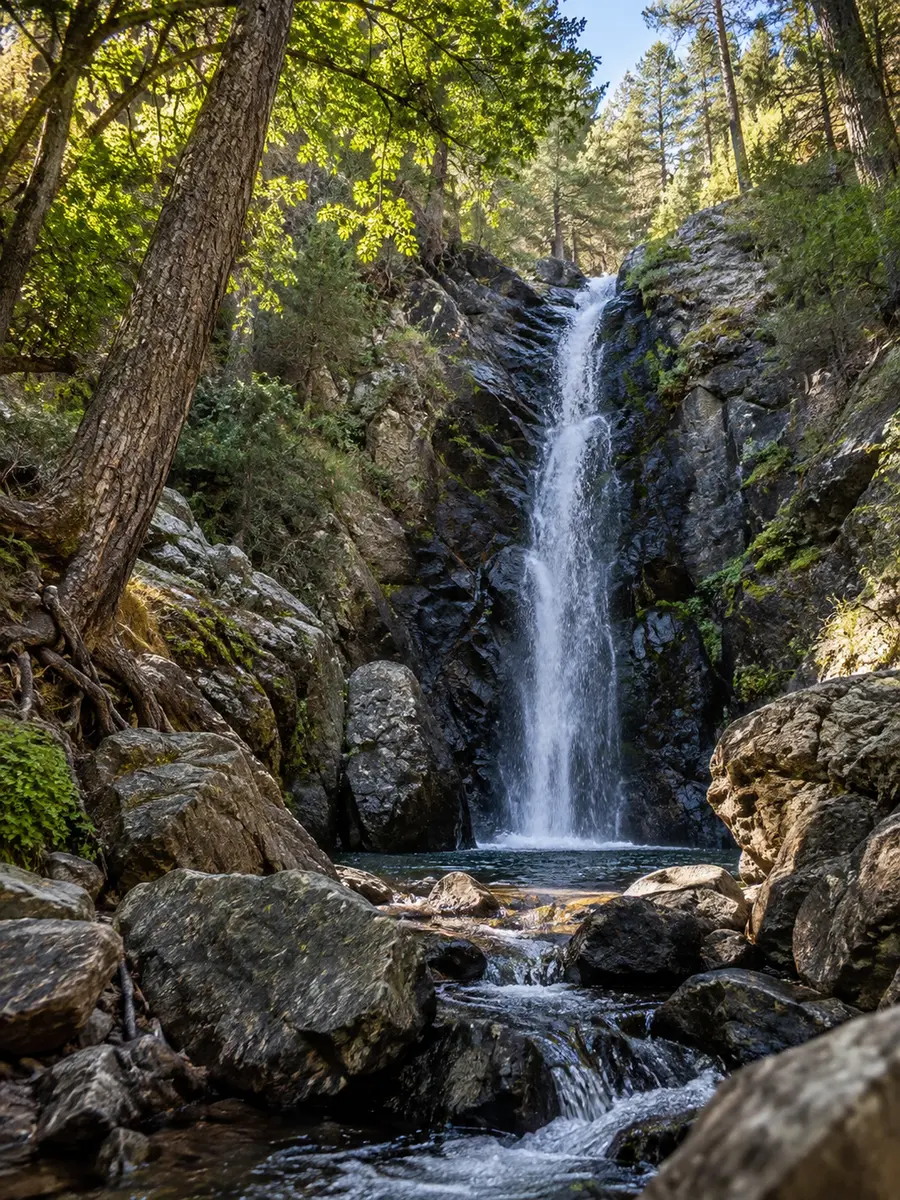
Caledonia Waterfall
- Worth seeing
- Cyprus heritage
- Beautiful views
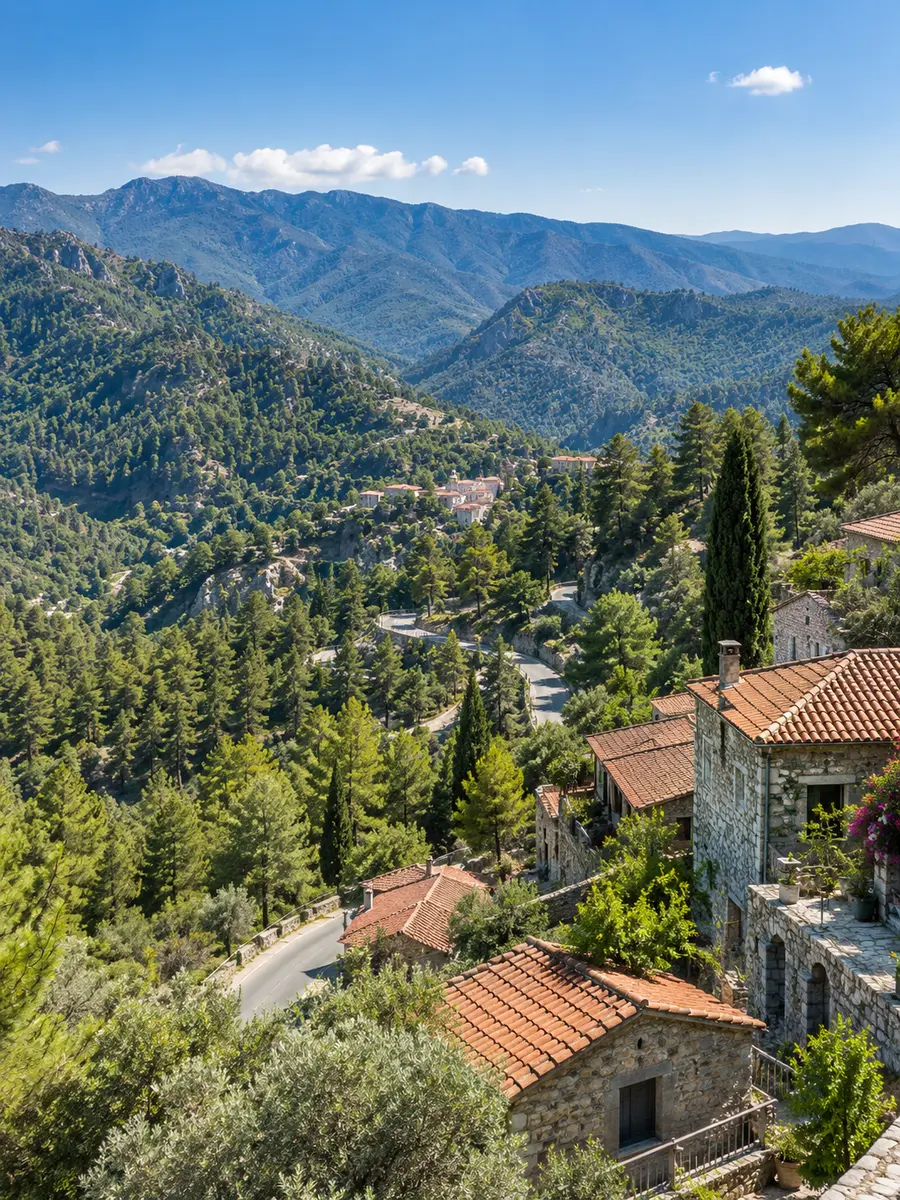
Troodos Mountains
- Worth seeing
- Cyprus heritage
- Beautiful views
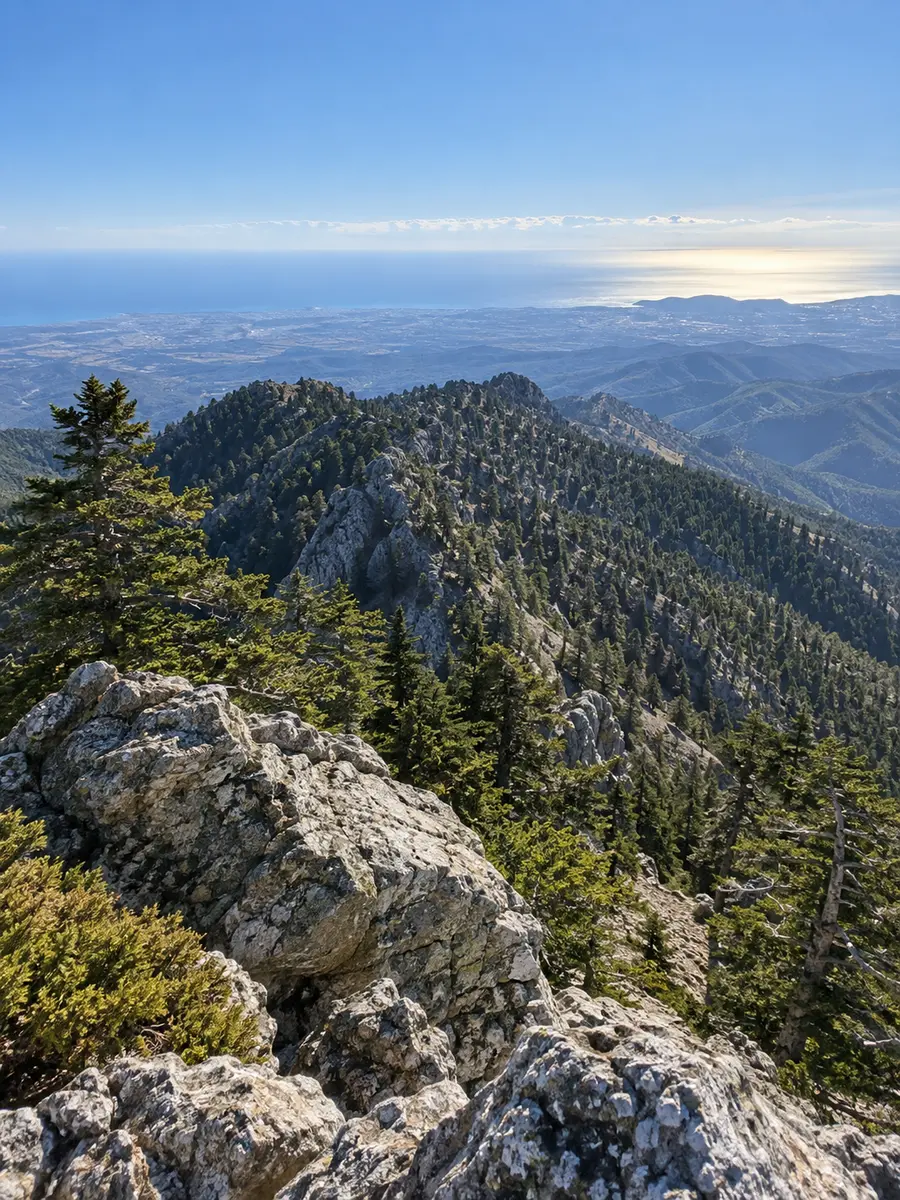
Mount Olympos
- Worth seeing
- Cyprus heritage
- Beautiful views
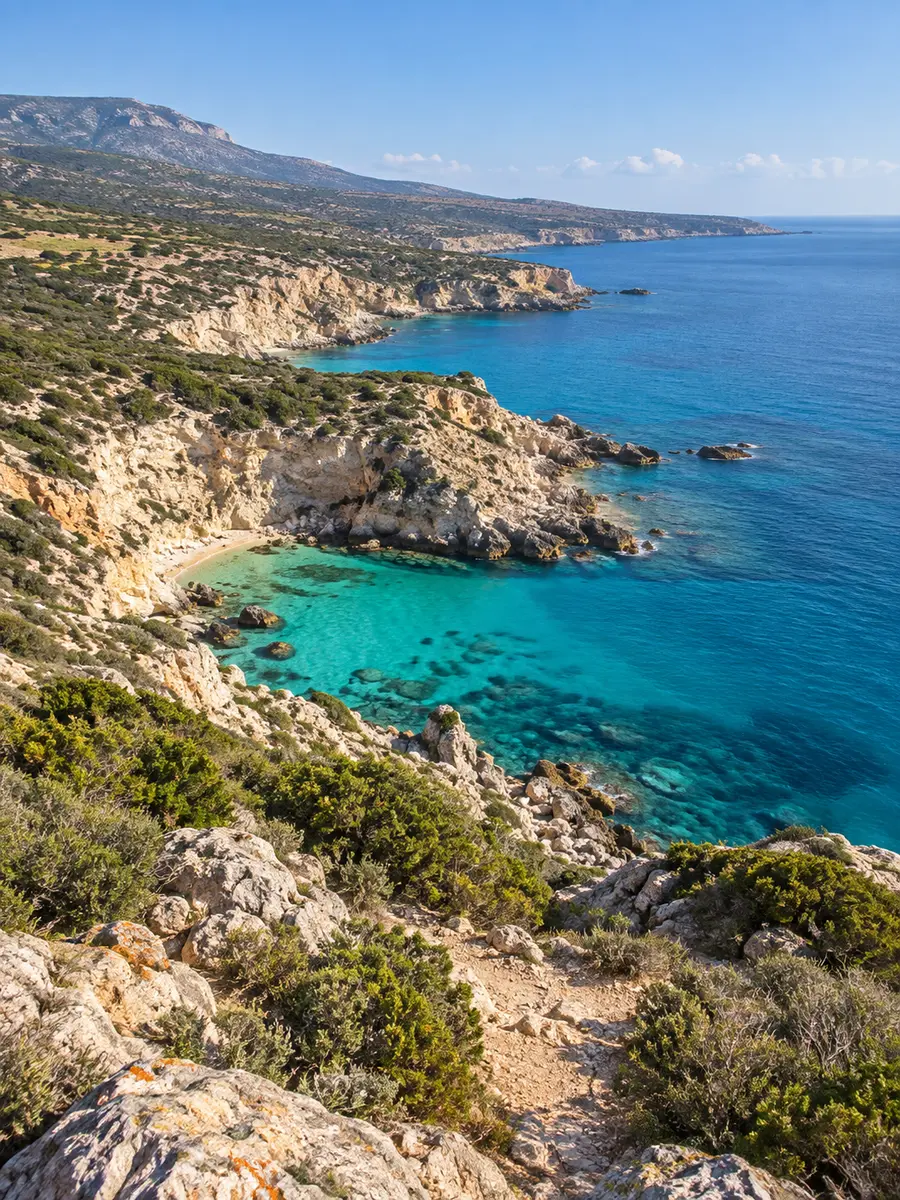
Akamas Peninsula
- Worth seeing
- Cyprus heritage
- Beautiful views
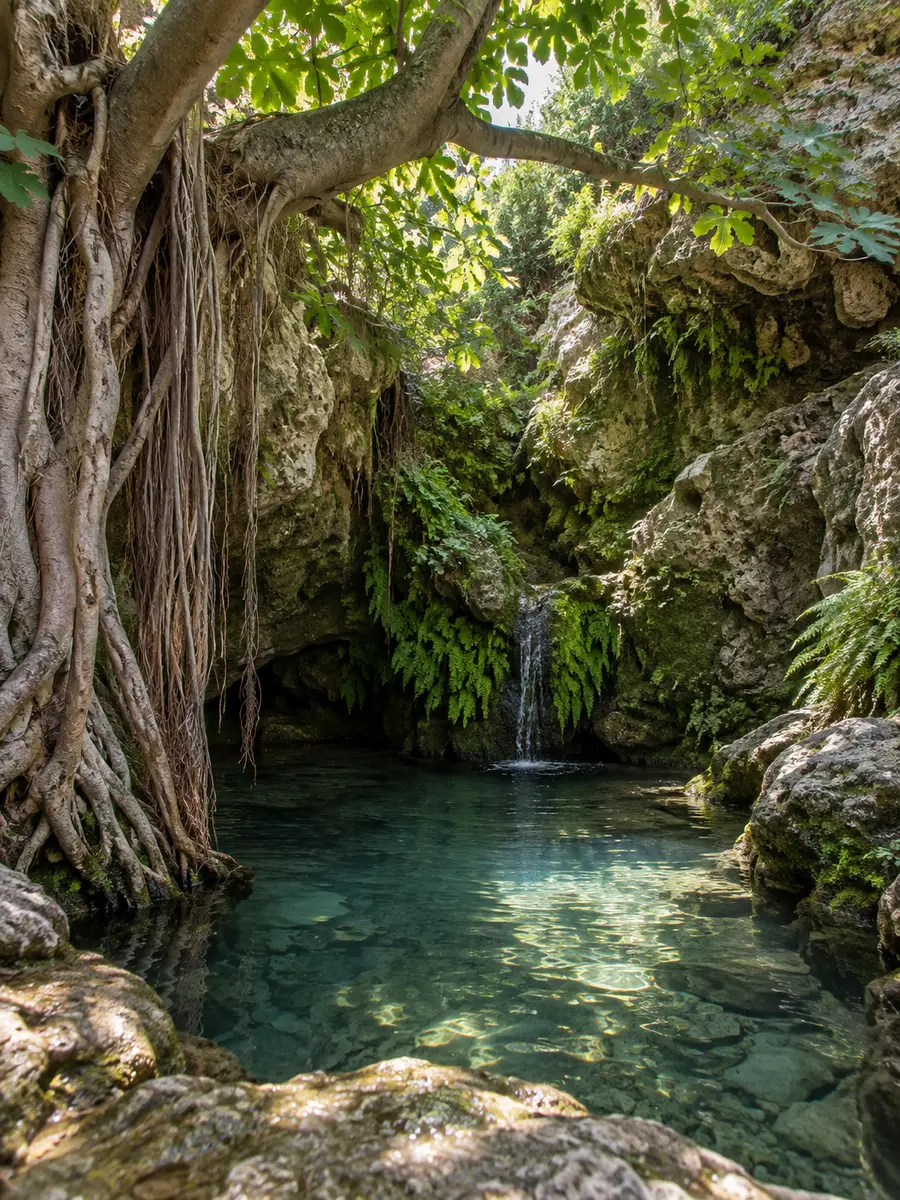
Baths of Aphrodite
- Worth seeing
- Cyprus heritage
- Beautiful views
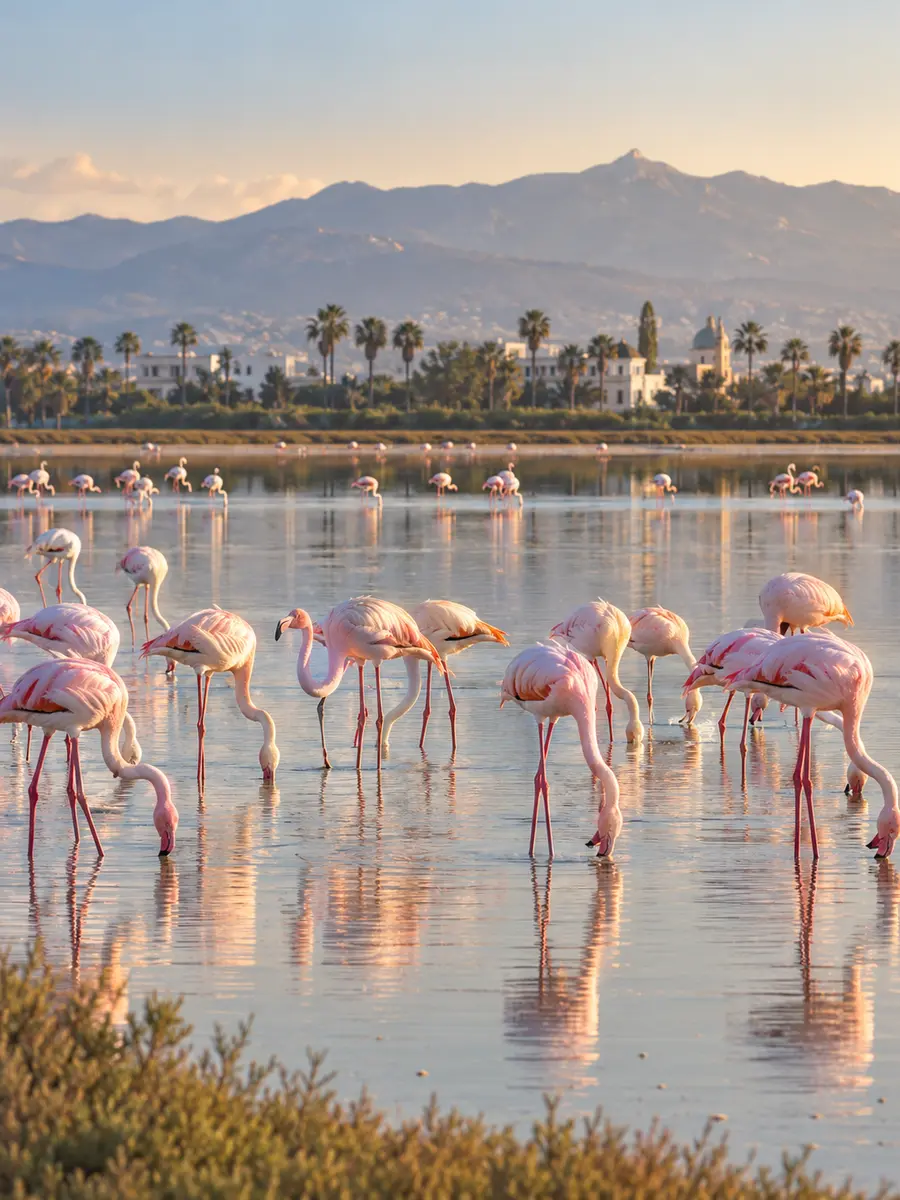
Larnaca Salt Lake
- Worth seeing
- Cyprus heritage
- Beautiful views
Shrines, legends & places of power
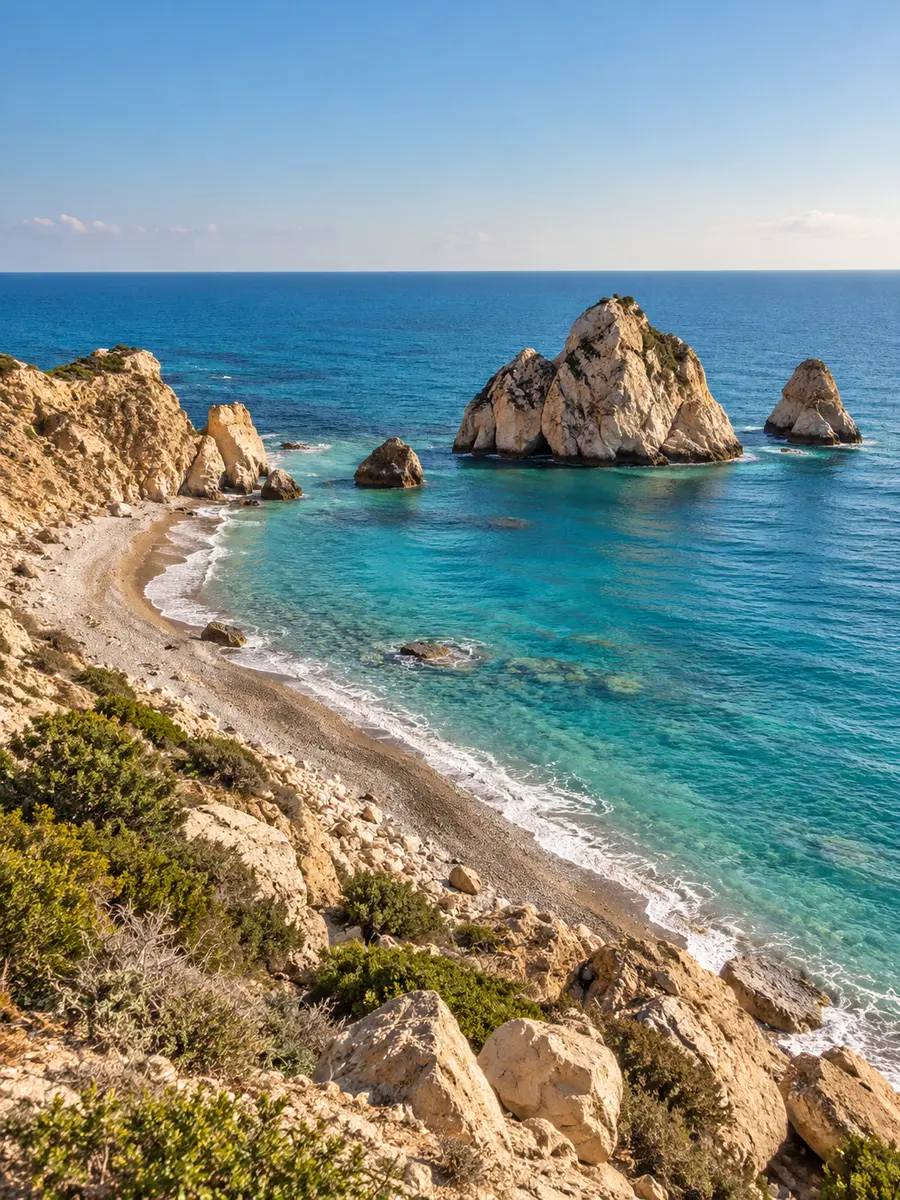
Petra tou Romiou — Aphrodite’s Rock
- Worth seeing
- Cyprus heritage
- Beautiful views
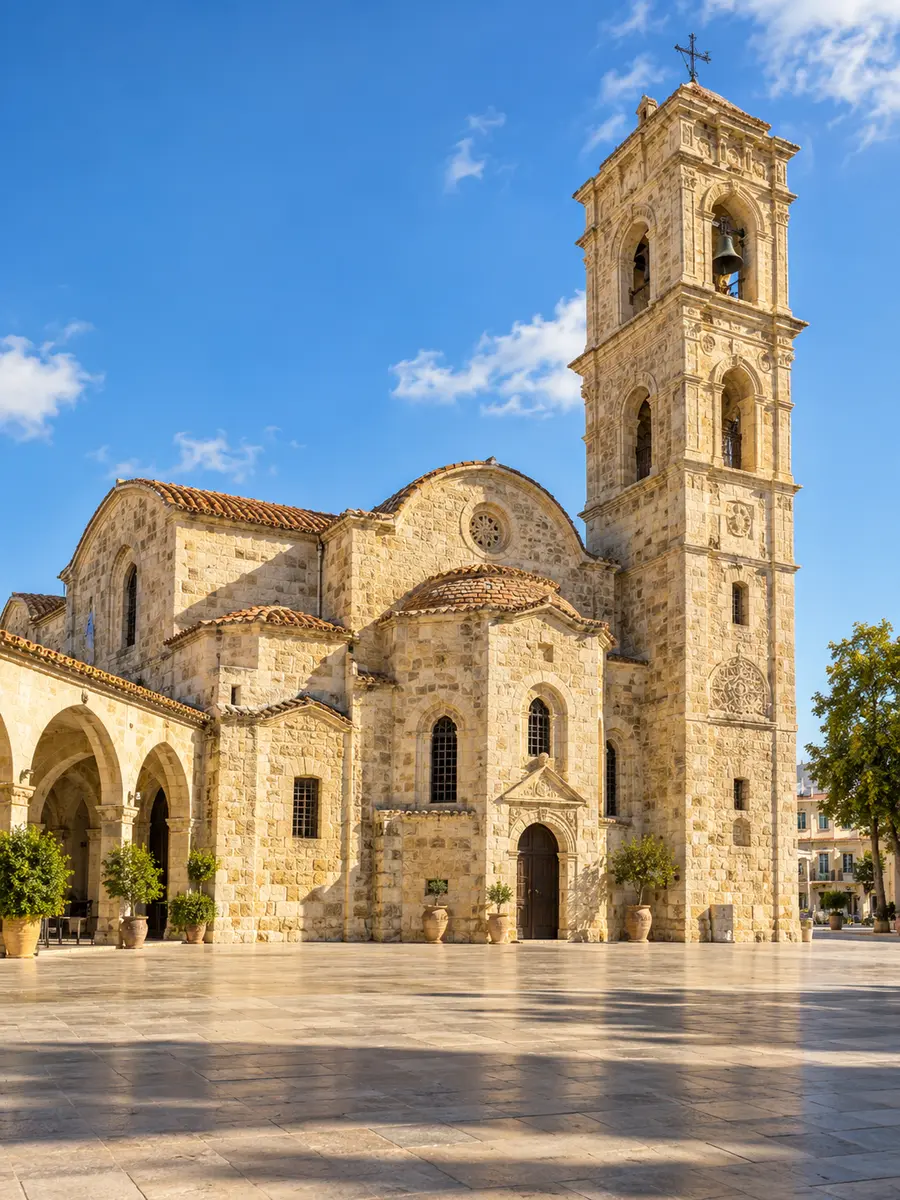
Church of Saint Lazarus
- Worth seeing
- Cyprus heritage
- Beautiful views
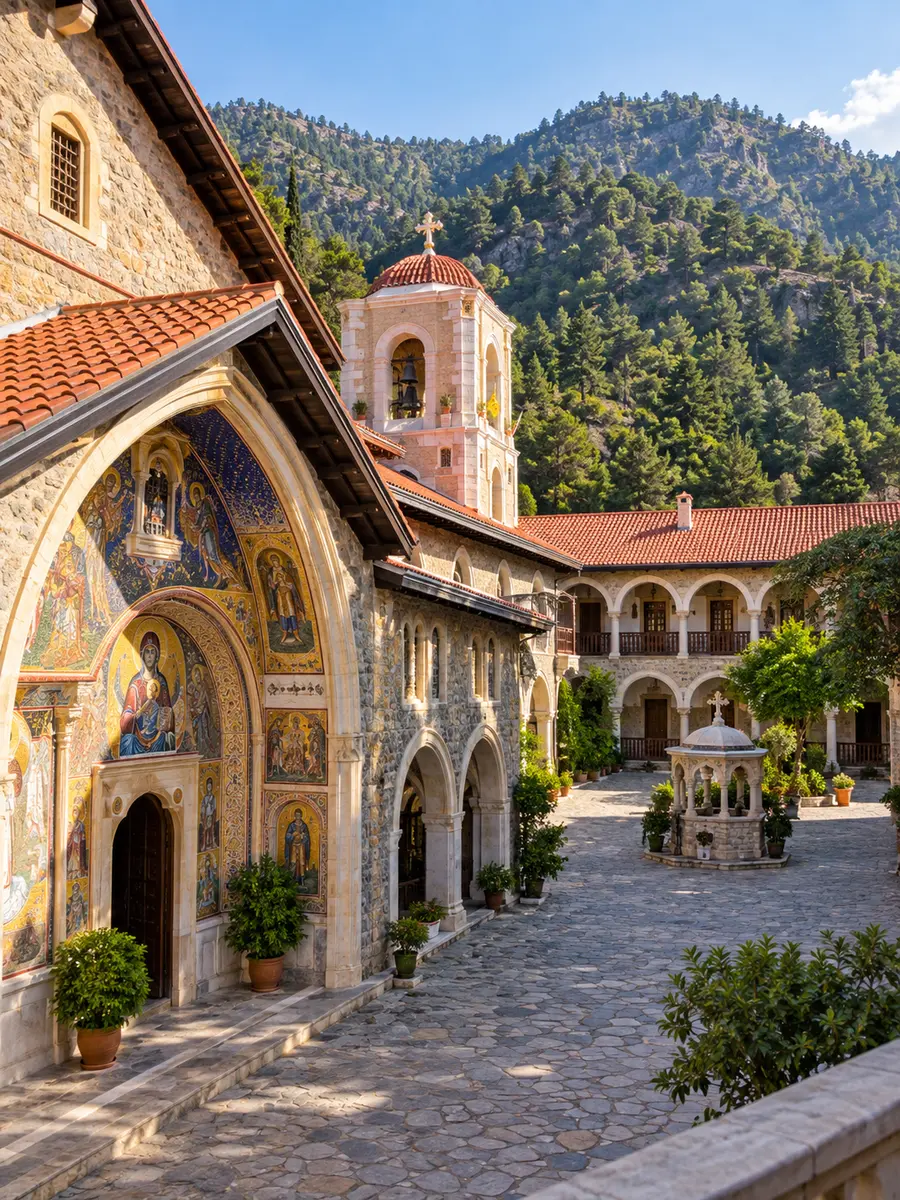
Kykkos Monastery
- Worth seeing
- Cyprus heritage
- Beautiful views
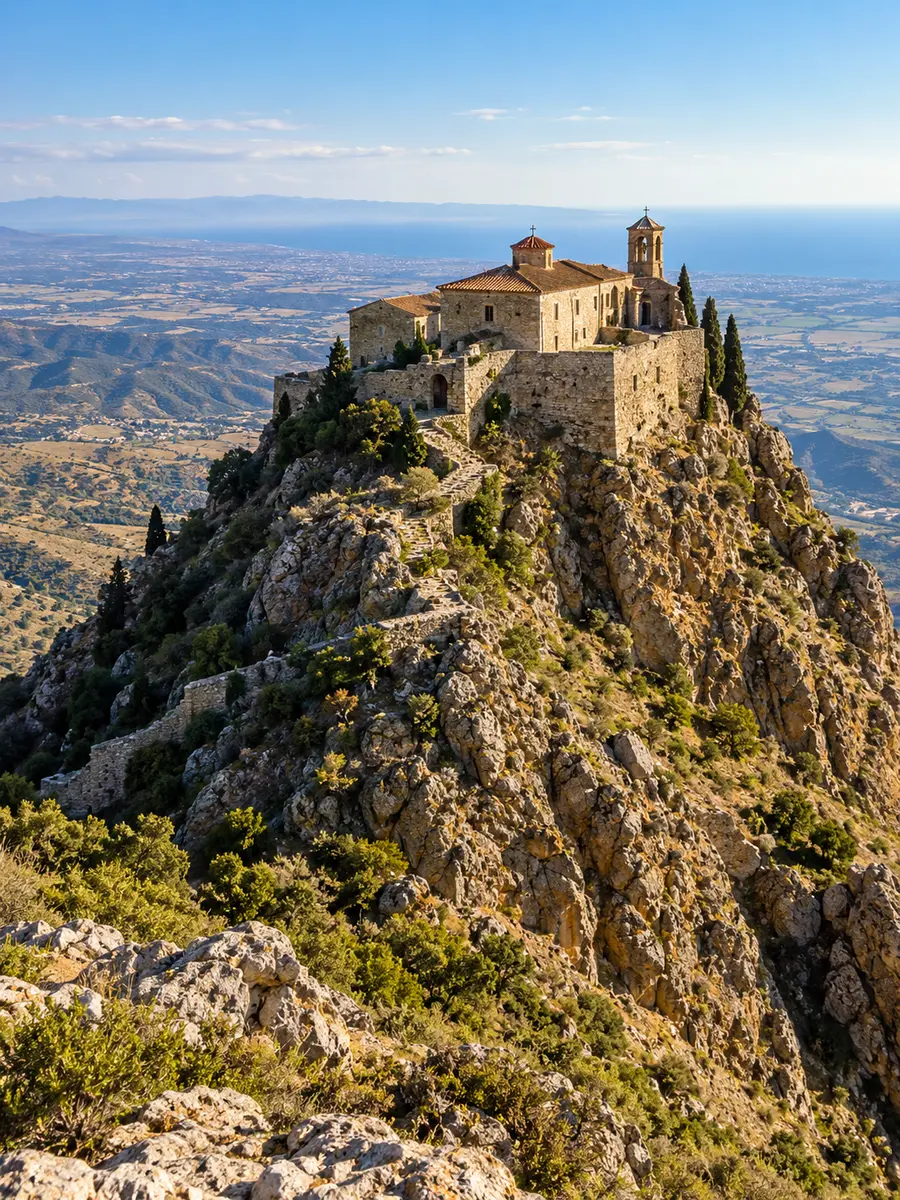
Stavrovouni Monastery
- Worth seeing
- Cyprus heritage
- Beautiful views
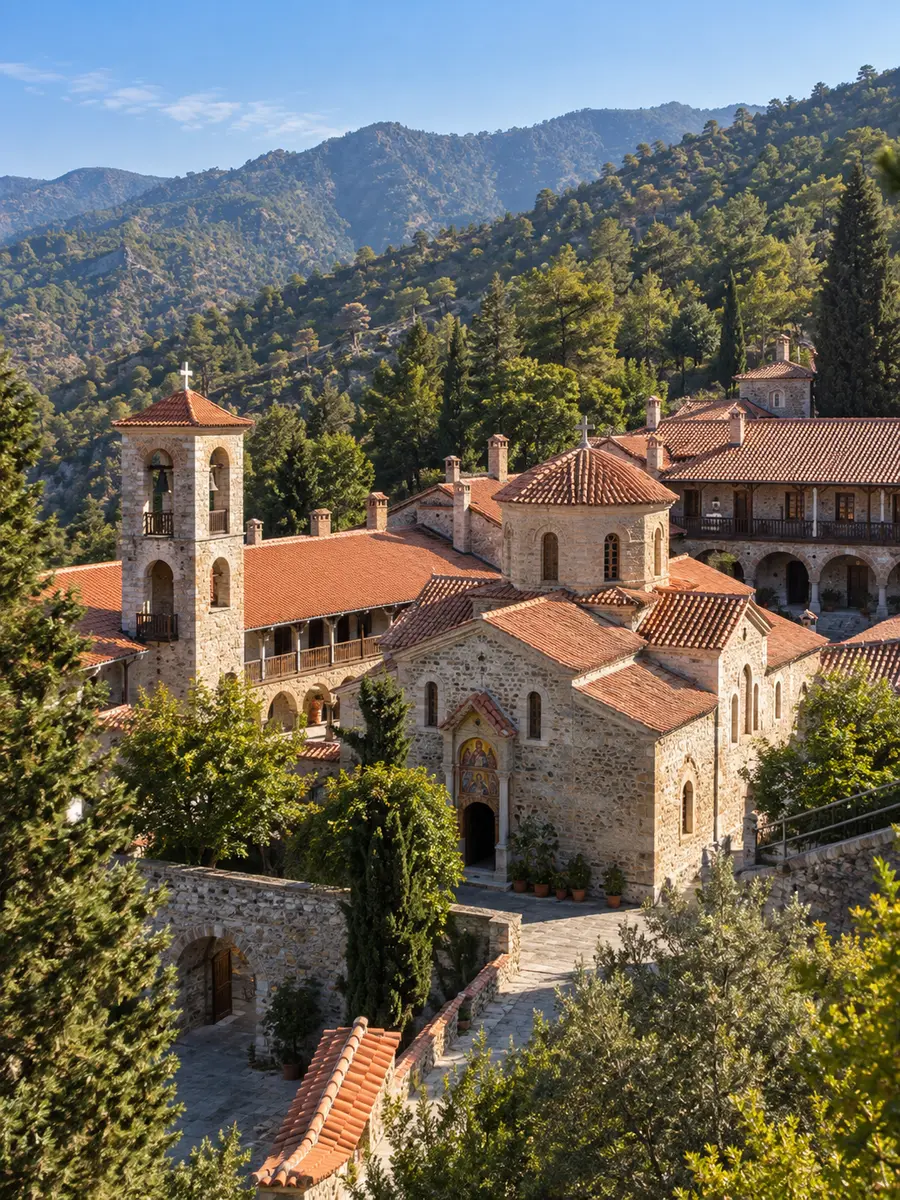
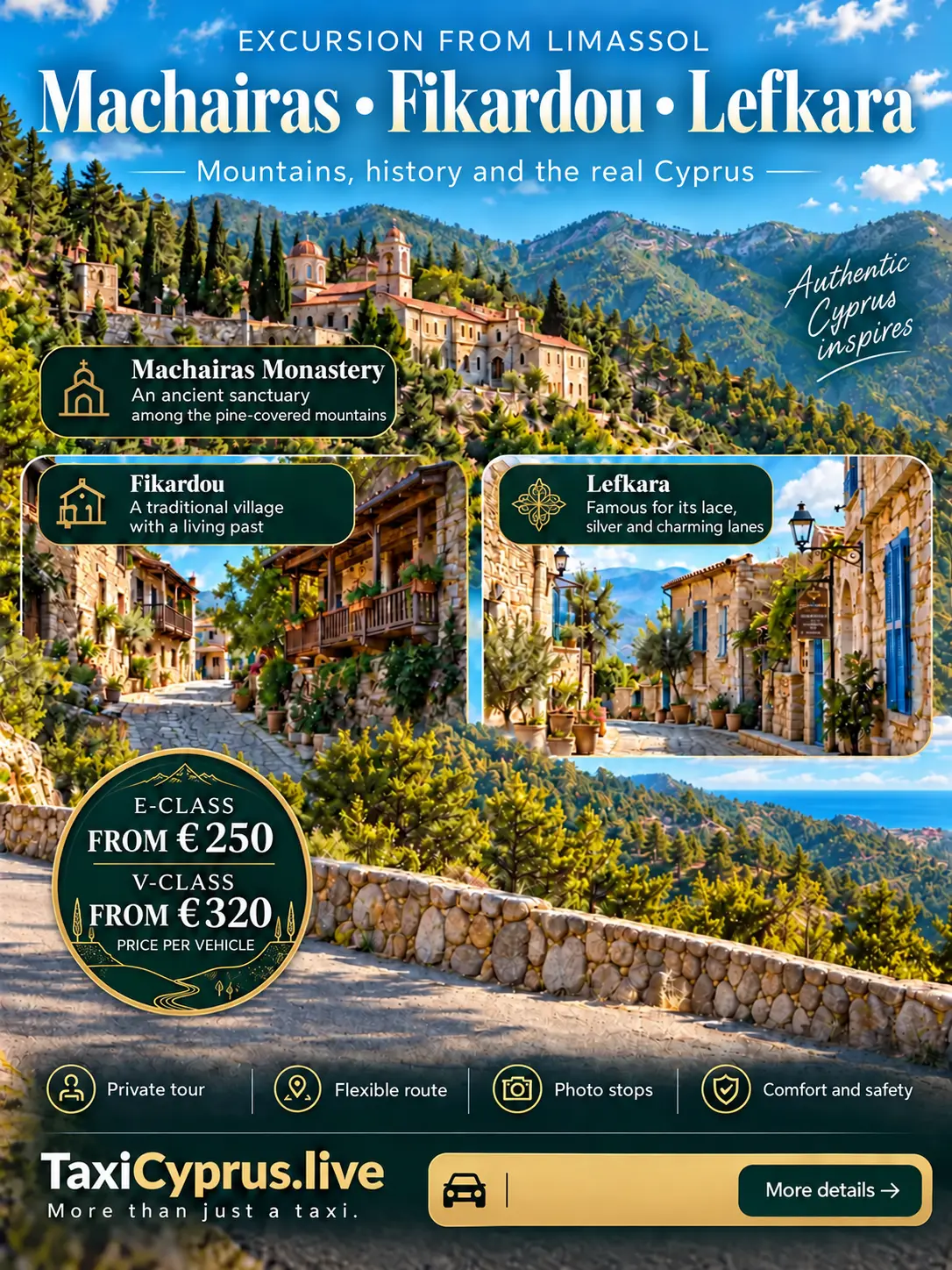
Machairas Monastery
- Worth seeing
- Cyprus heritage
- Beautiful views
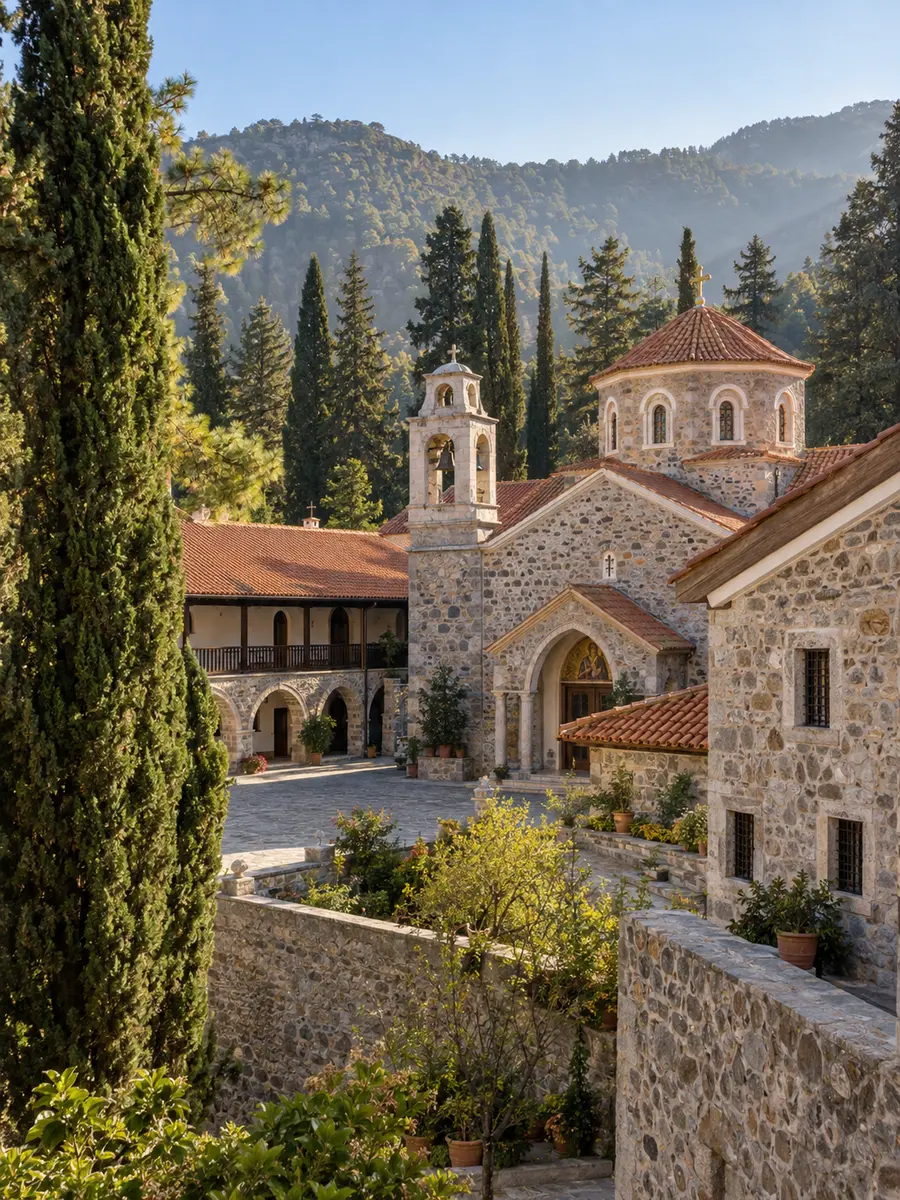
Trooditissa Monastery
- Worth seeing
- Cyprus heritage
- Beautiful views
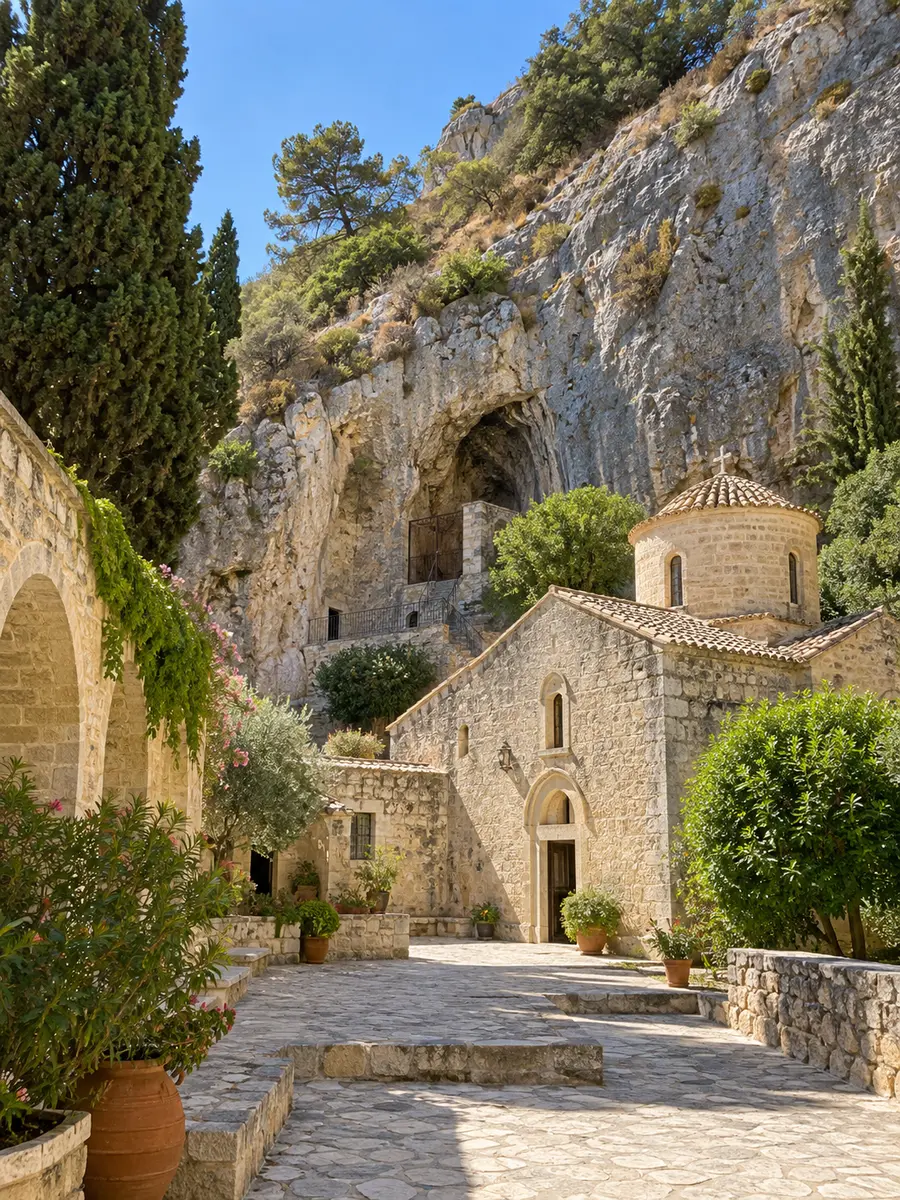
Agios Neophytos Monastery
- Worth seeing
- Cyprus heritage
- Beautiful views
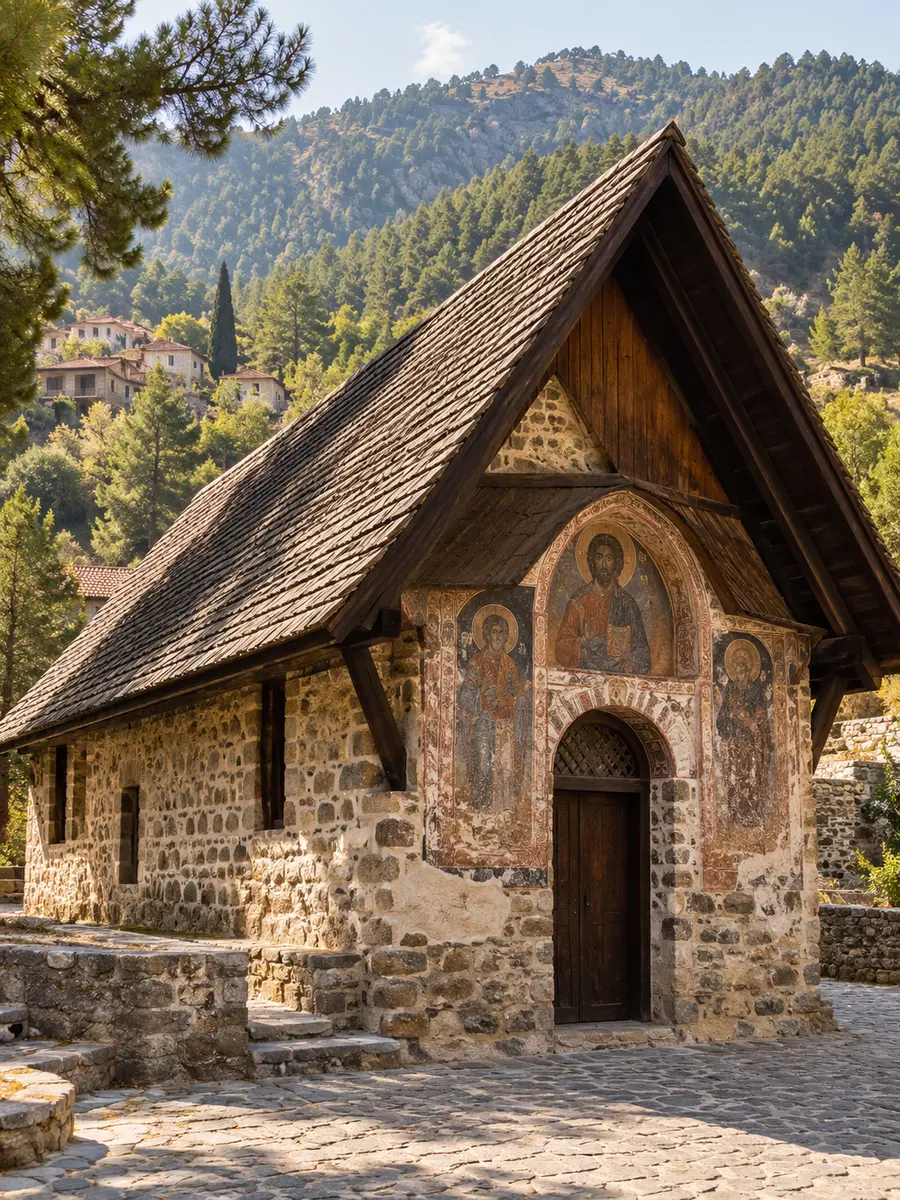
Painted Churches of Troodos
- Worth seeing
- Cyprus heritage
- Beautiful views
Towns, castles & traditional villages
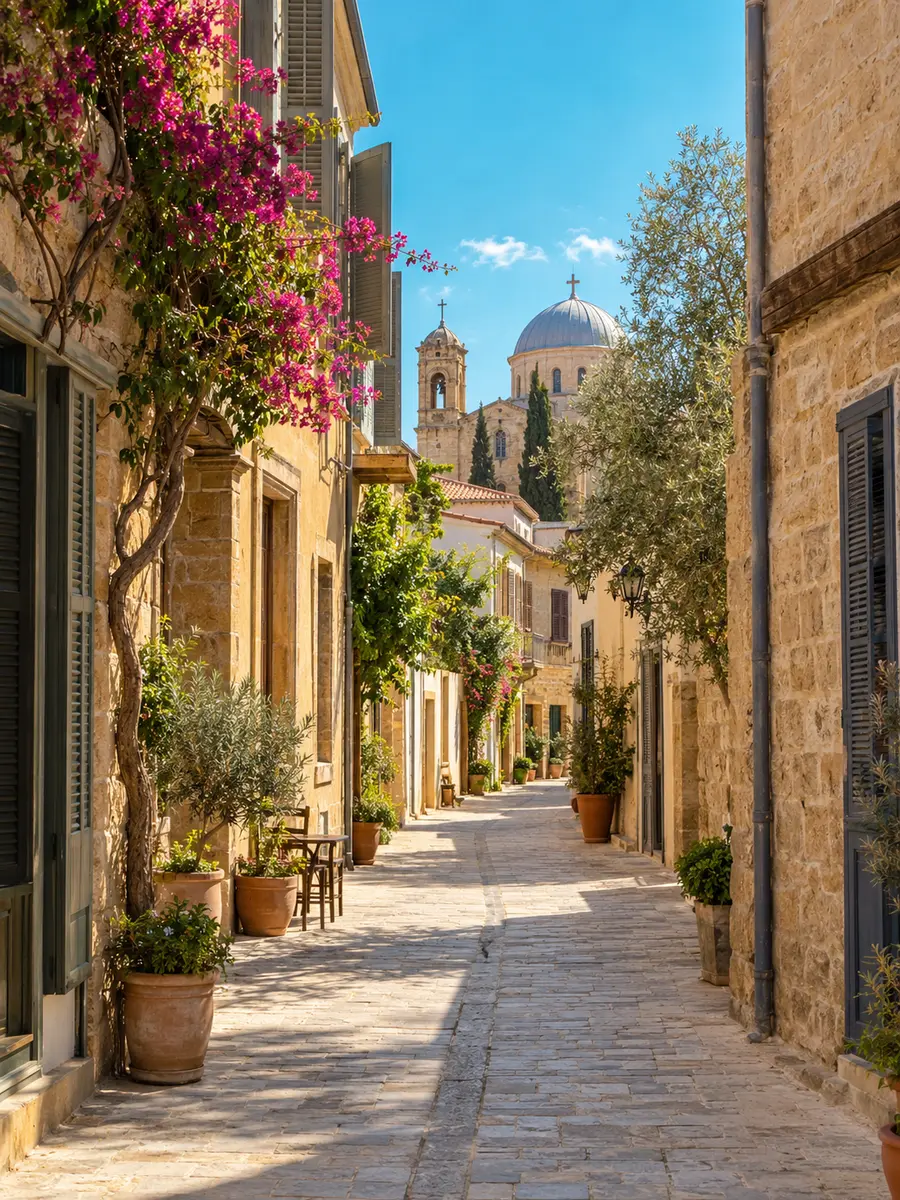
Old Nicosia
- Worth seeing
- Cyprus heritage
- Beautiful views
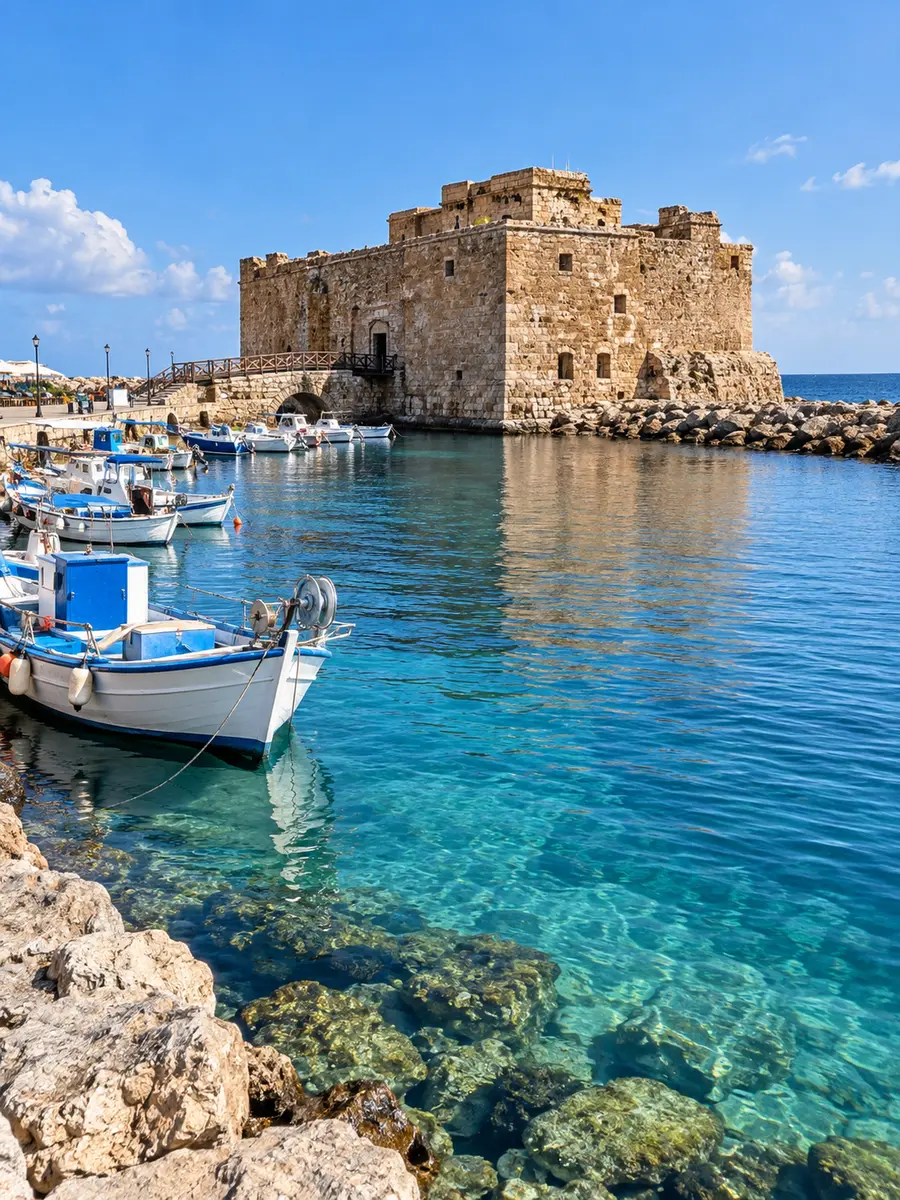
Paphos Harbour & Castle
- Worth seeing
- Cyprus heritage
- Beautiful views
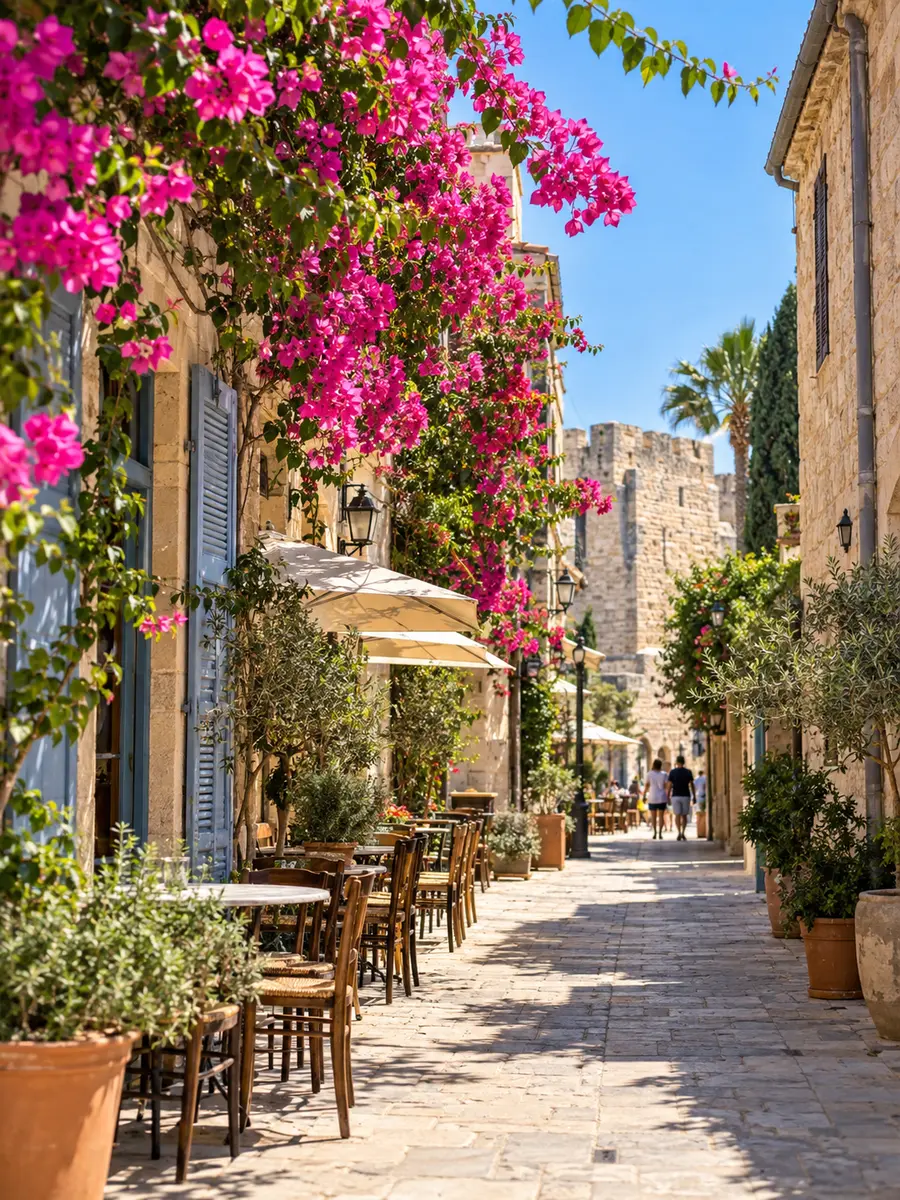
Old Limassol & Castle
- Worth seeing
- Cyprus heritage
- Beautiful views
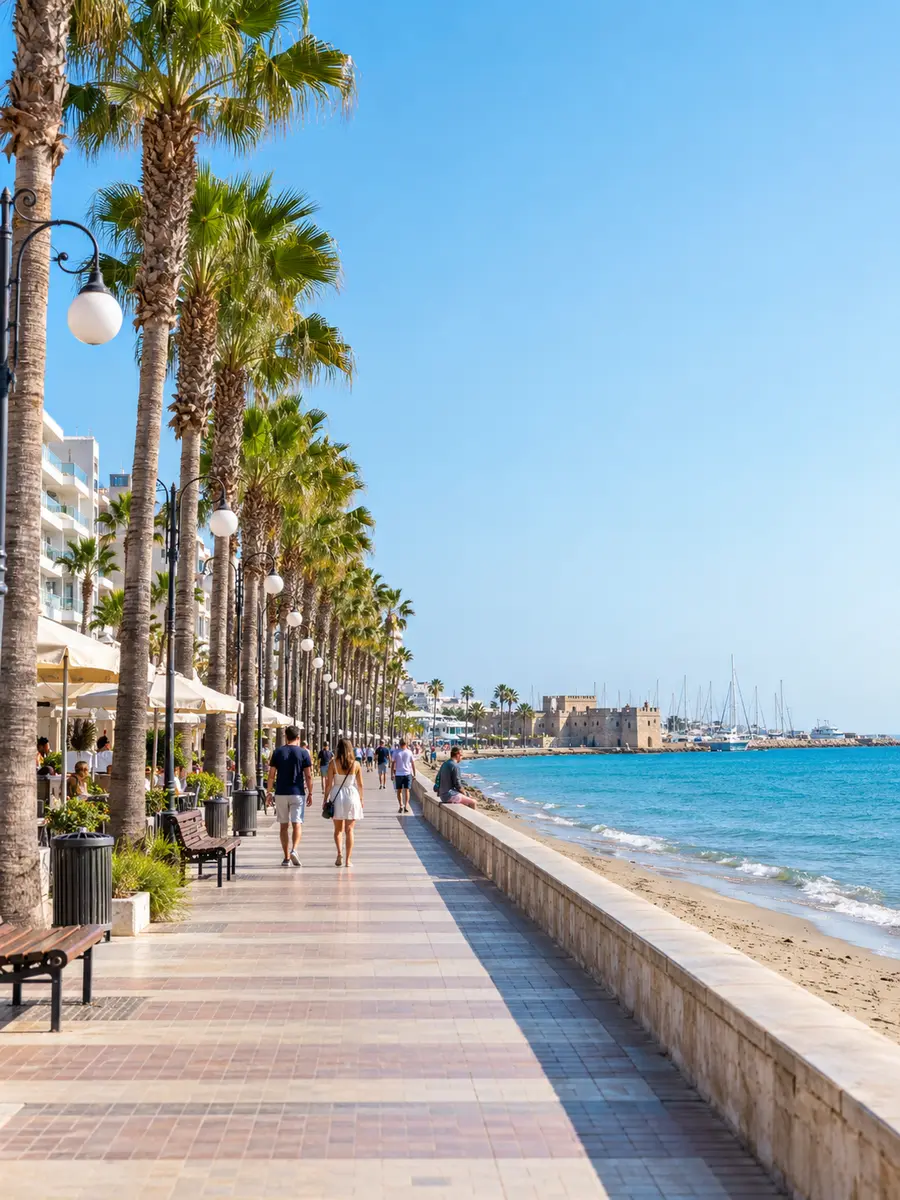
Finikoudes Promenade
- Worth seeing
- Cyprus heritage
- Beautiful views
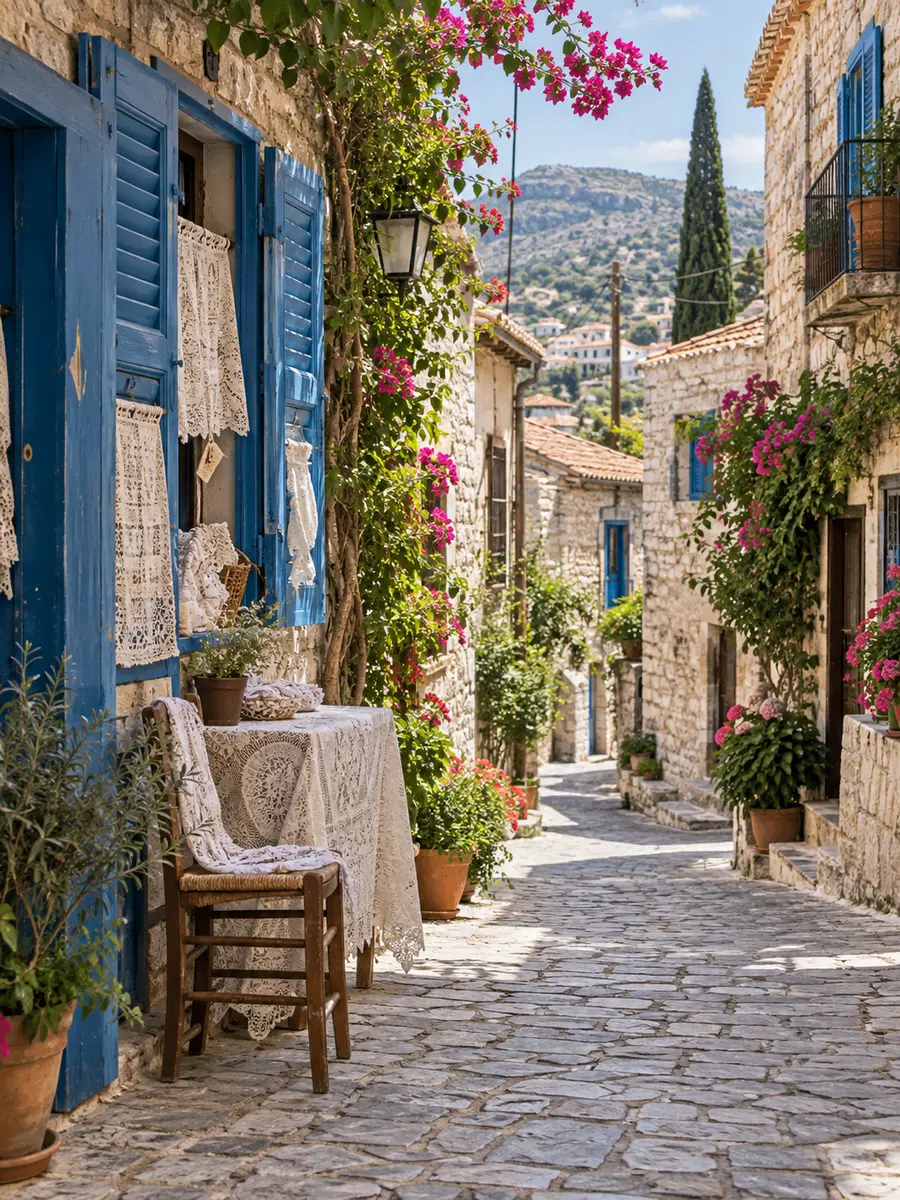
Lefkara Village
- Worth seeing
- Cyprus heritage
- Beautiful views
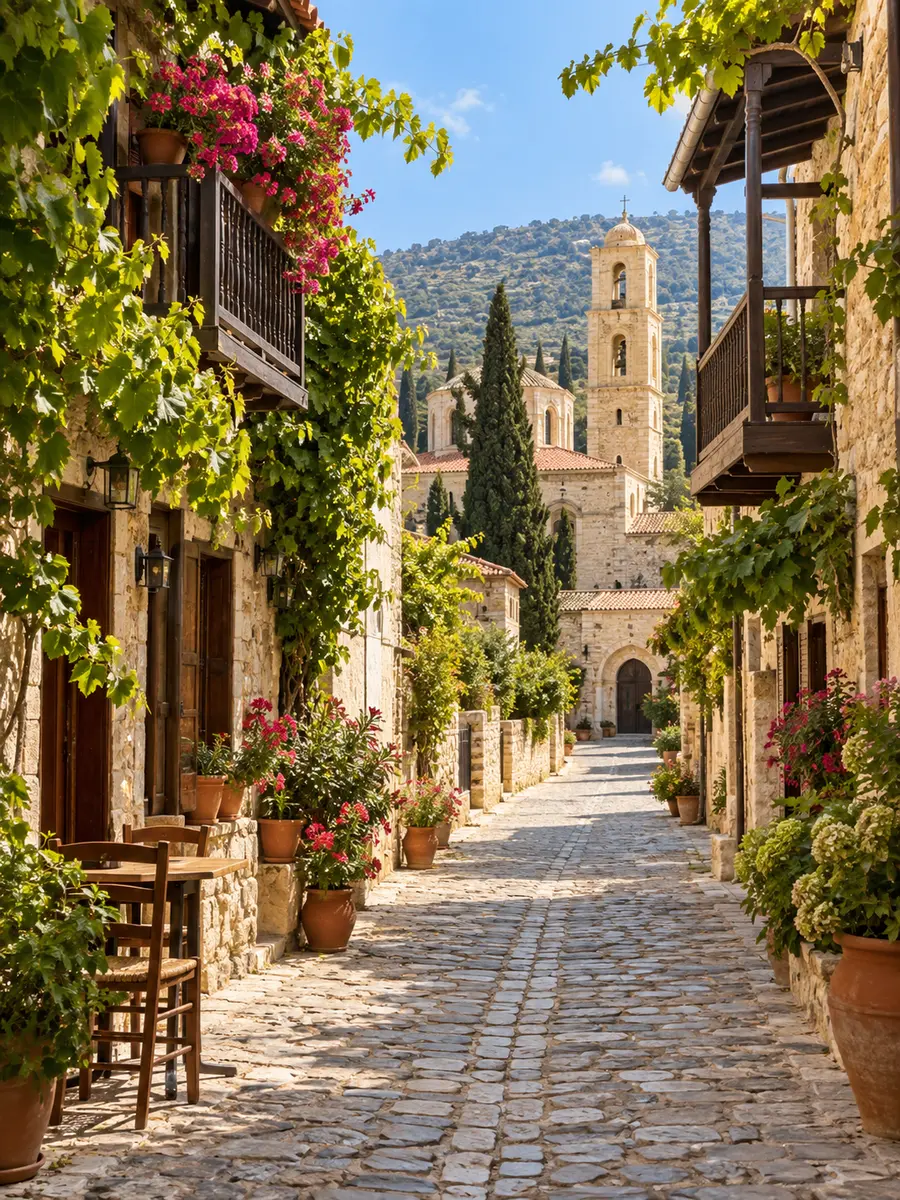
Omodos Village
- Worth seeing
- Cyprus heritage
- Beautiful views
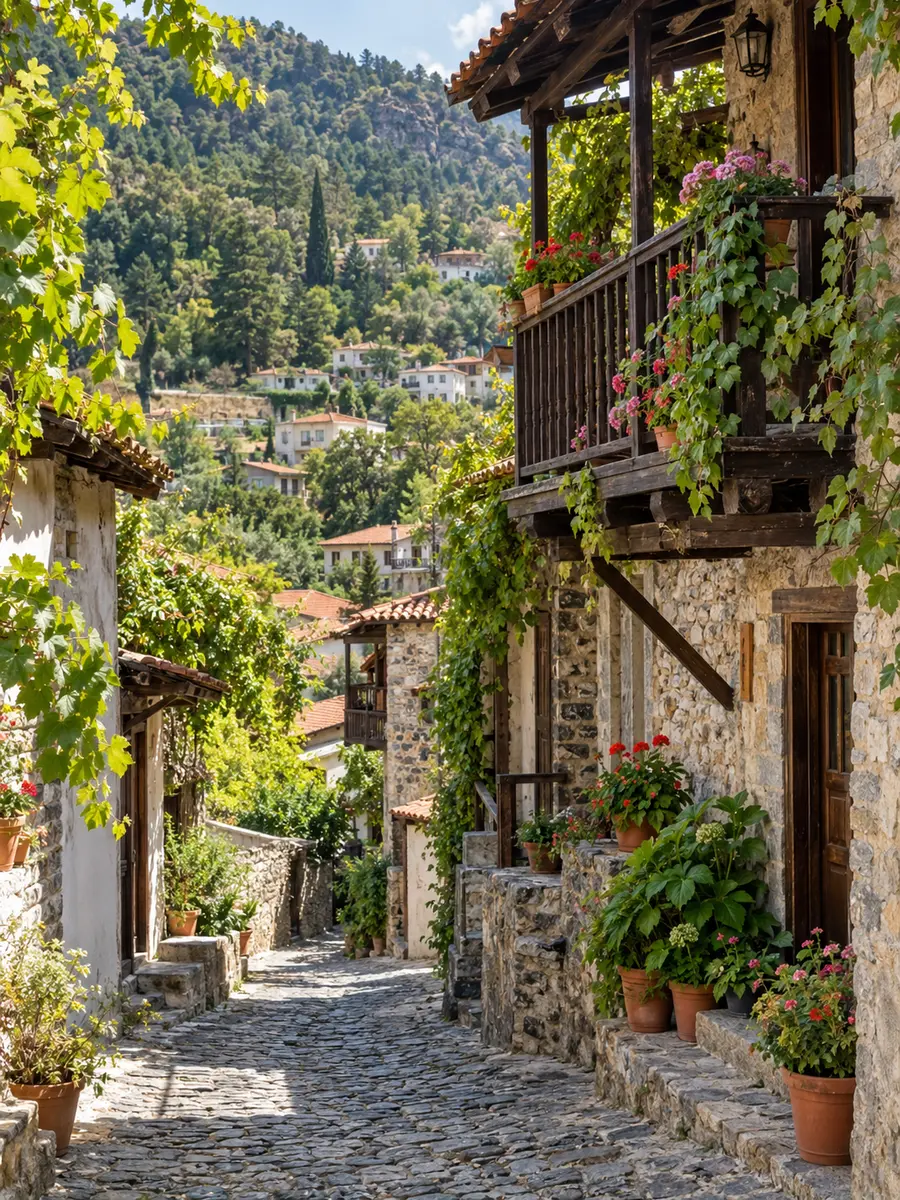
Kakopetria Village
- Worth seeing
- Cyprus heritage
- Beautiful views
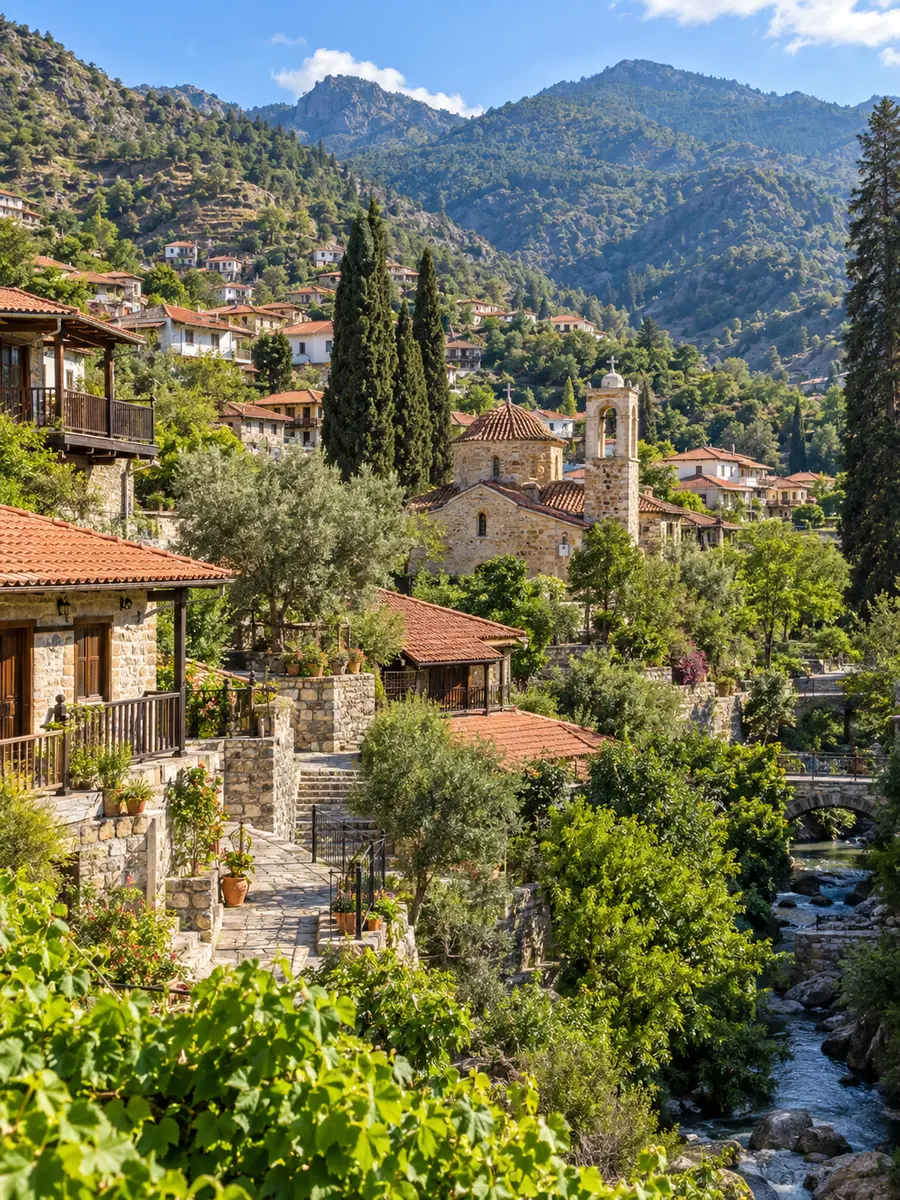
Kalopanagiotis Village
- Worth seeing
- Cyprus heritage
- Beautiful views
4 more natural discoveries
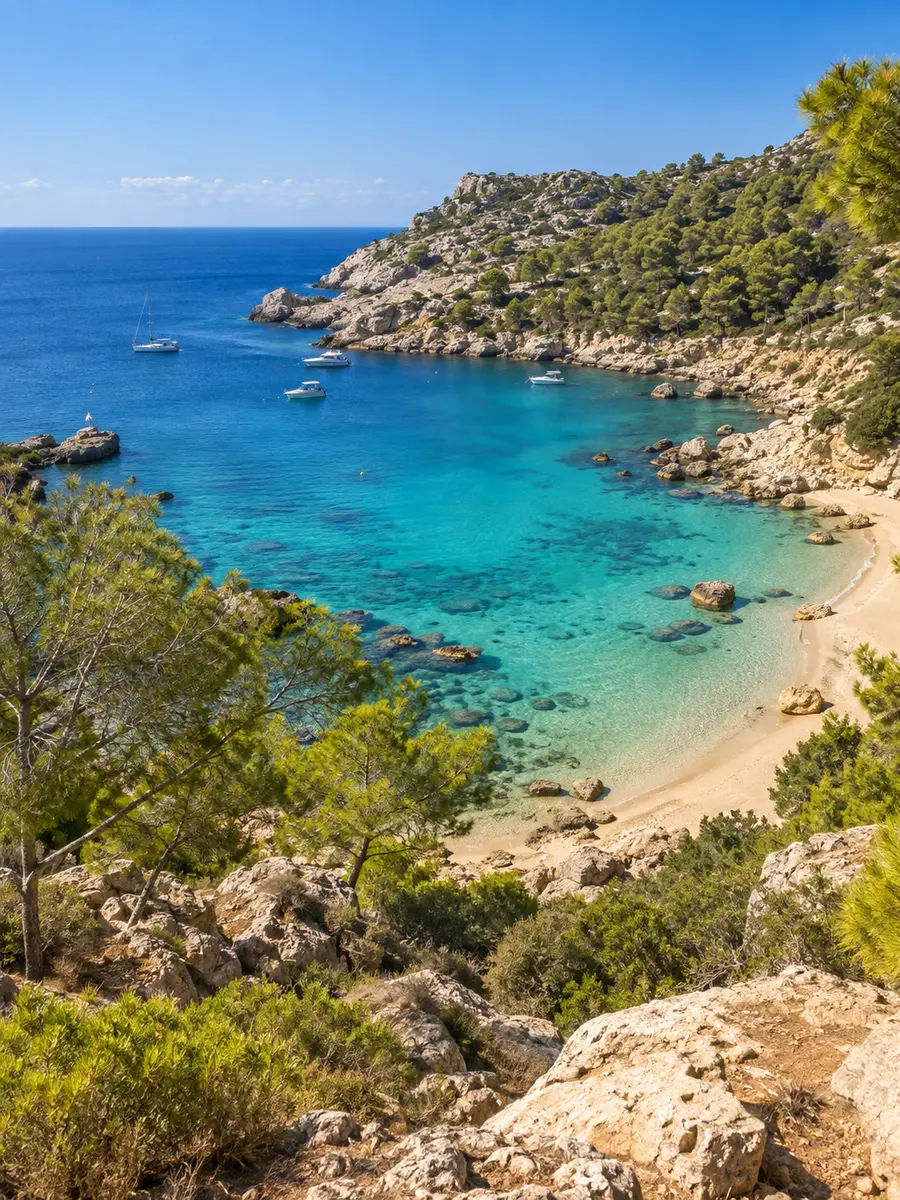
Konnos Bay
- Scenic bay
- Clear water
- Sea views
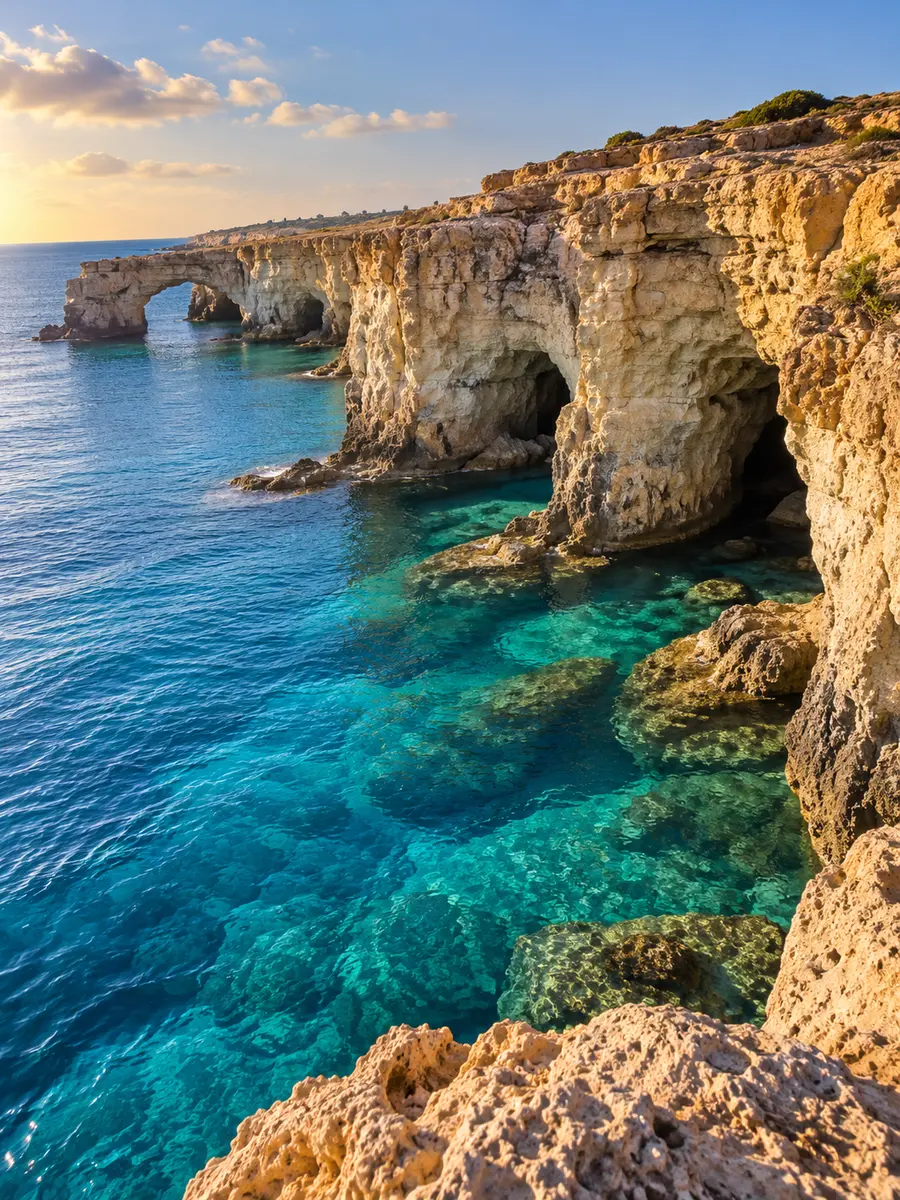
Ayia Napa Sea Caves
- Natural arches
- Seascape
- Sunset
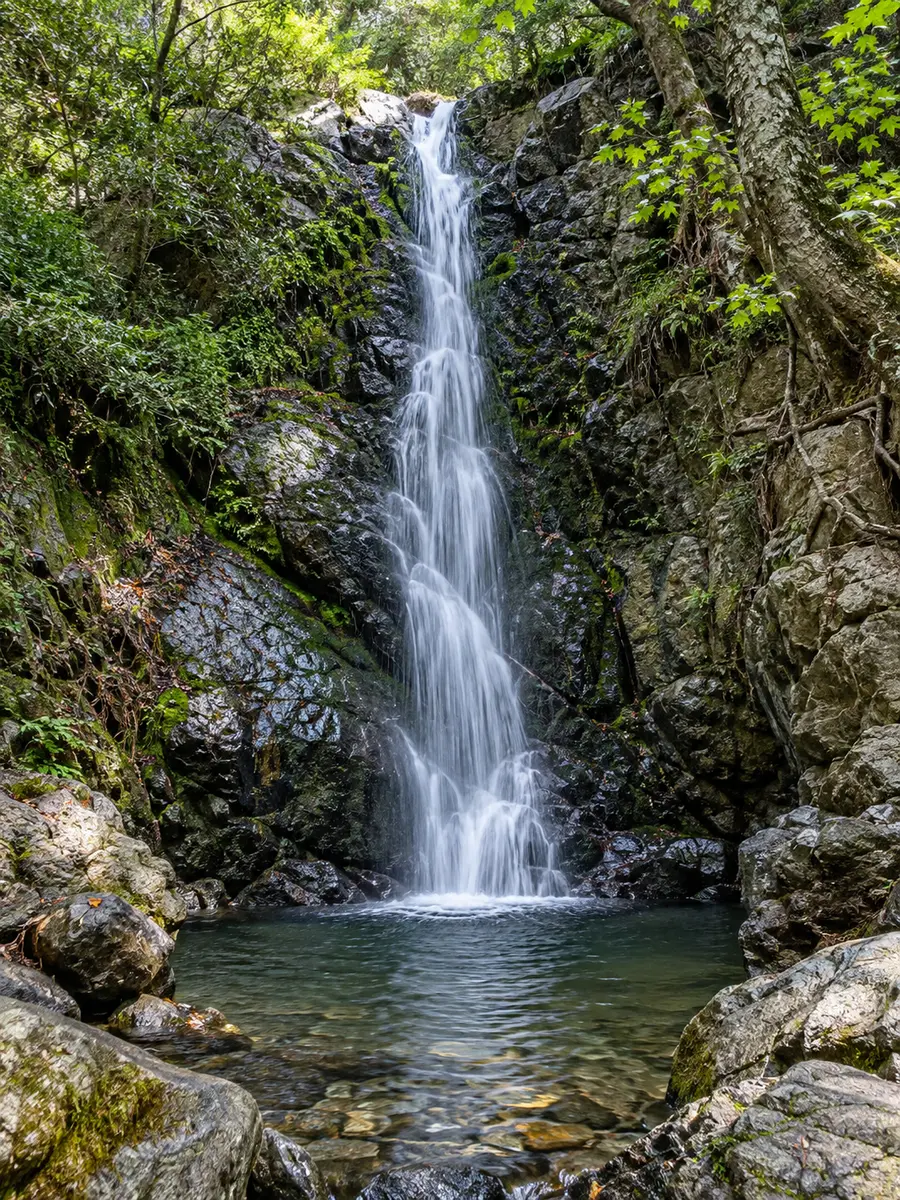
Millomeris Waterfall
- Mountain cool
- Forest trail
- Waterfall
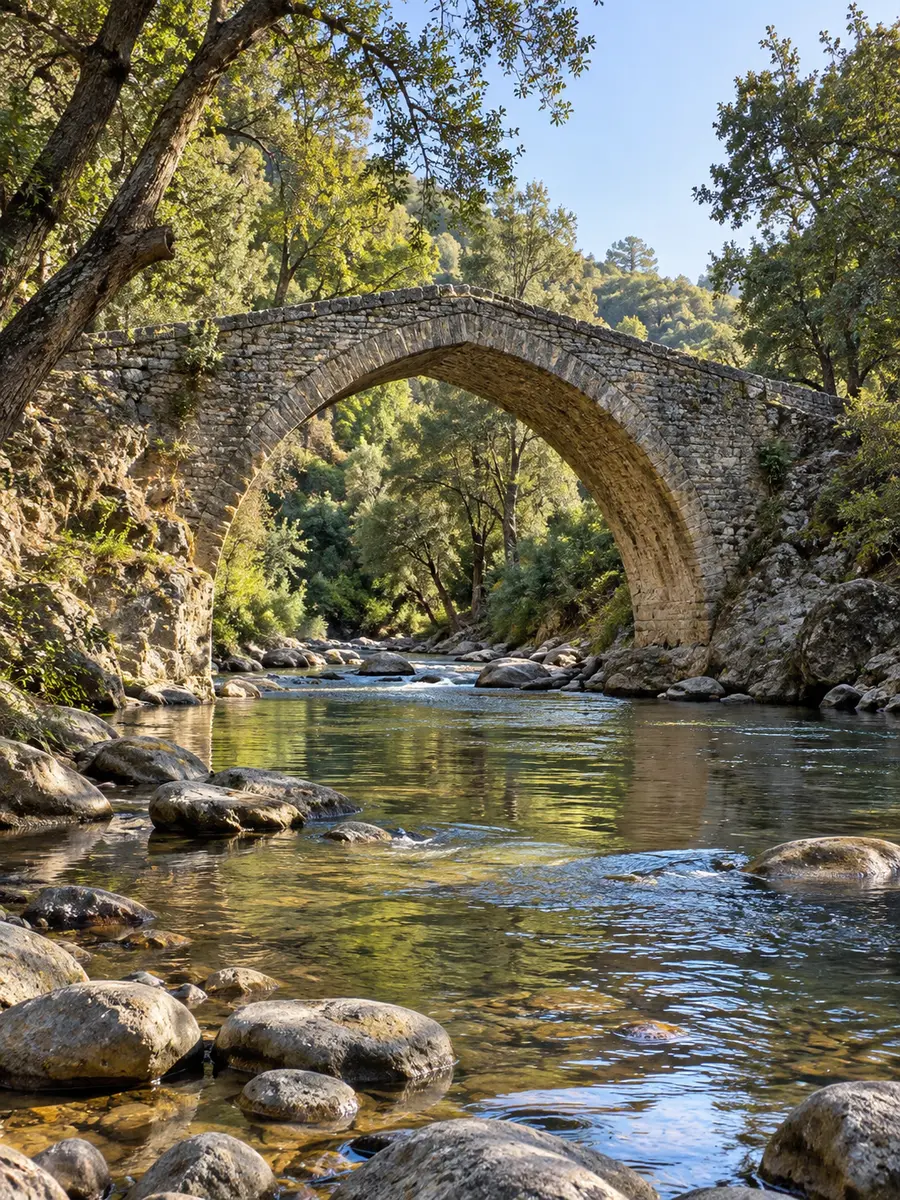
Kelefos Venetian Bridge
- Venetian heritage
- Forest and river
- Photogenic place
4 more cultural gems
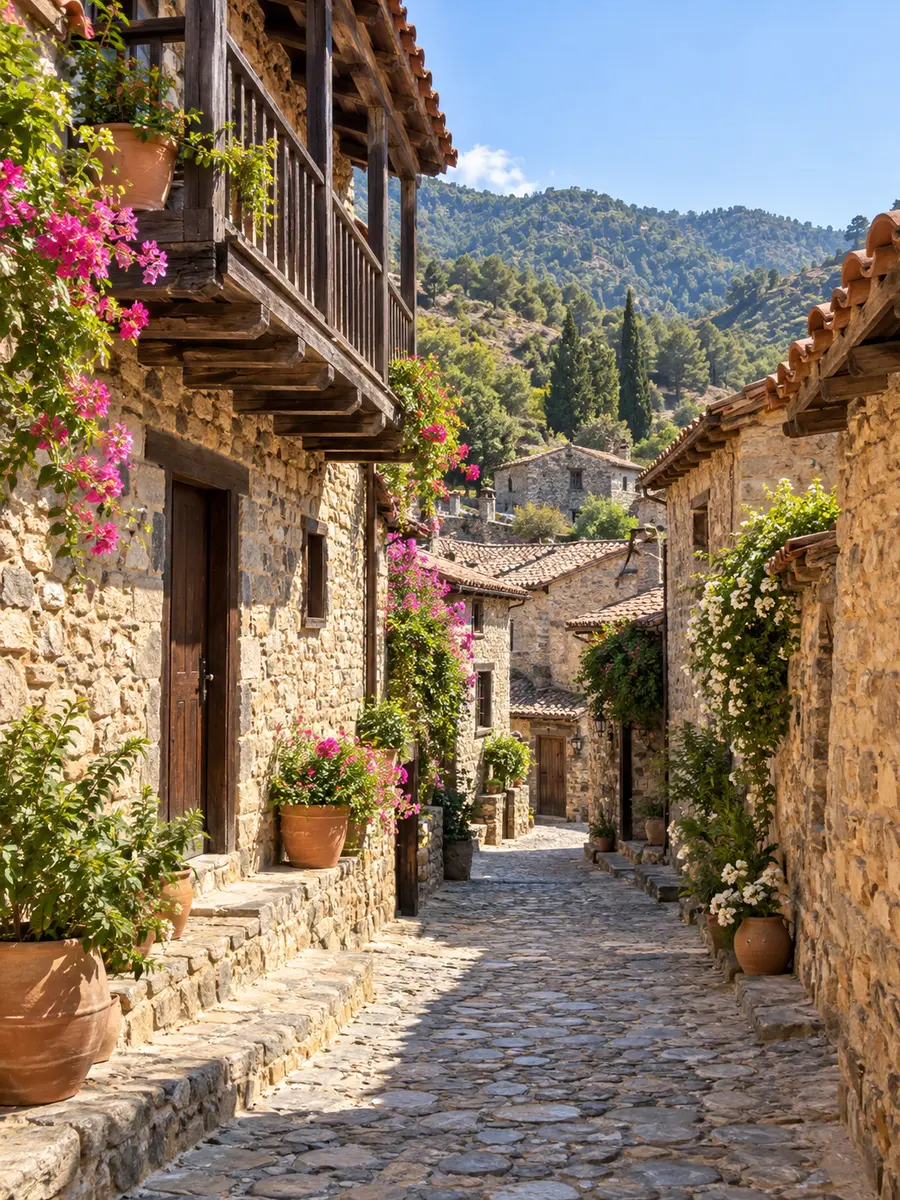
Fikardou Village
- Traditional architecture
- Living museum
- Mountain village
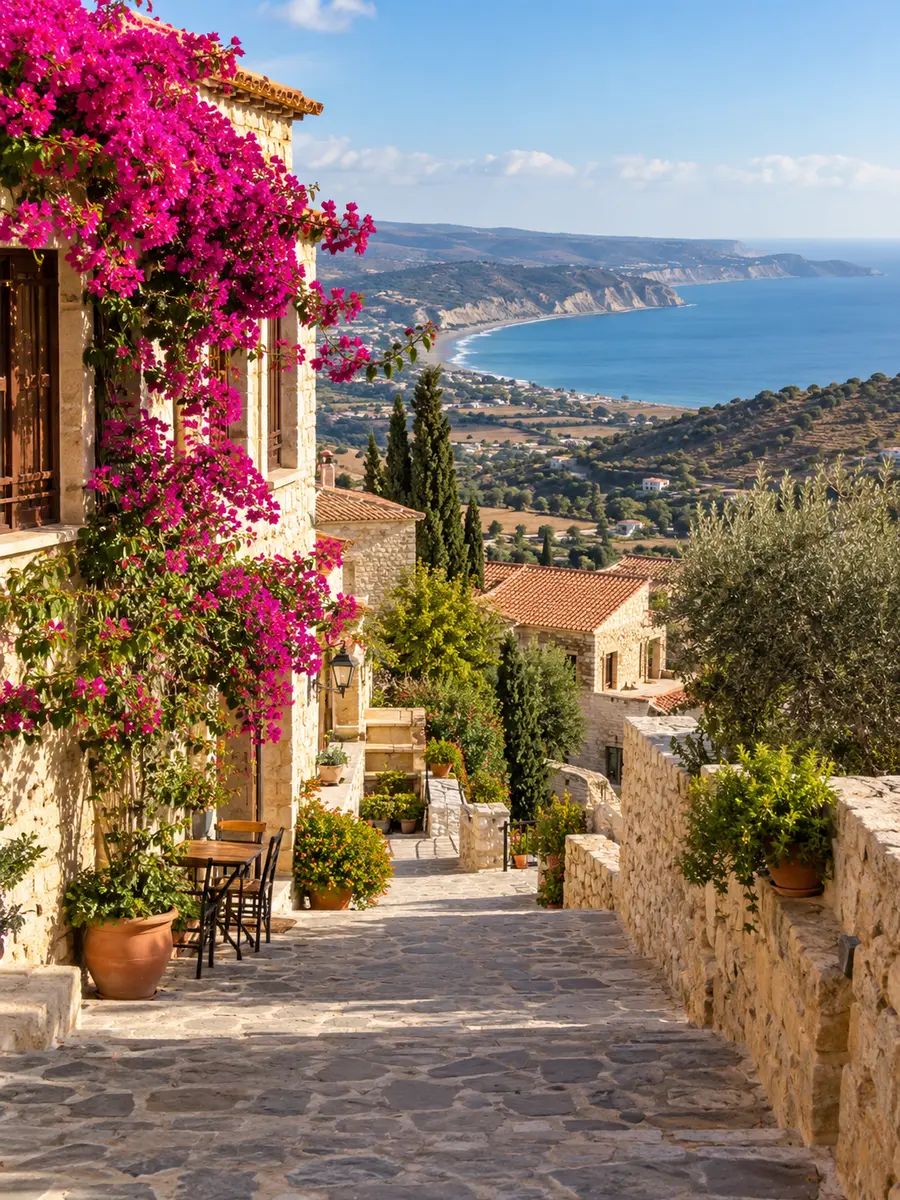
Pissouri Village & Bay
- Village and sea
- Panoramic views
- Cypriot atmosphere
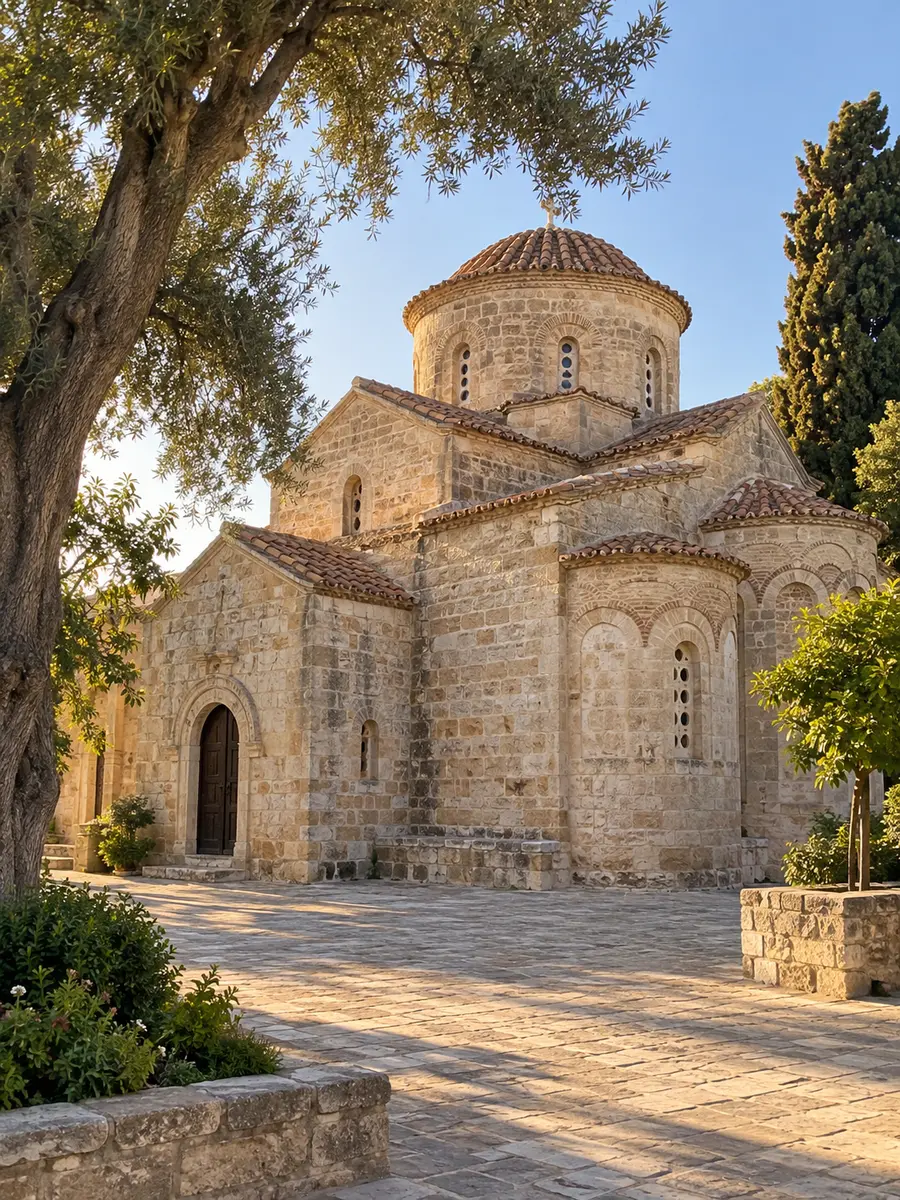
Panagia Angeloktisti Church
- Byzantine mosaic
- Sacred place
- Ancient history
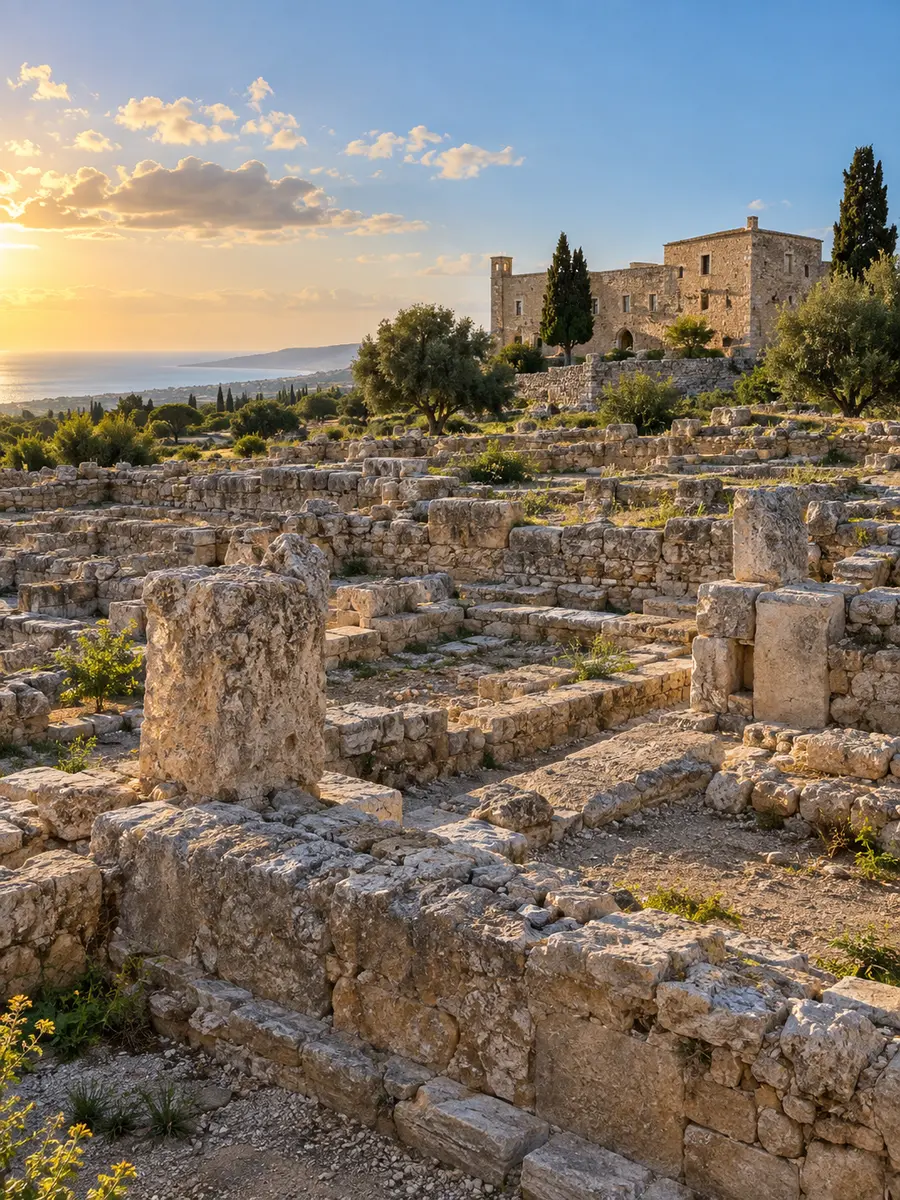
Palaipafos & Sanctuary of Aphrodite
- UNESCO heritage
- Cult of Aphrodite
- Archaeology
LANDMARK BAY OF AYIA NAPA
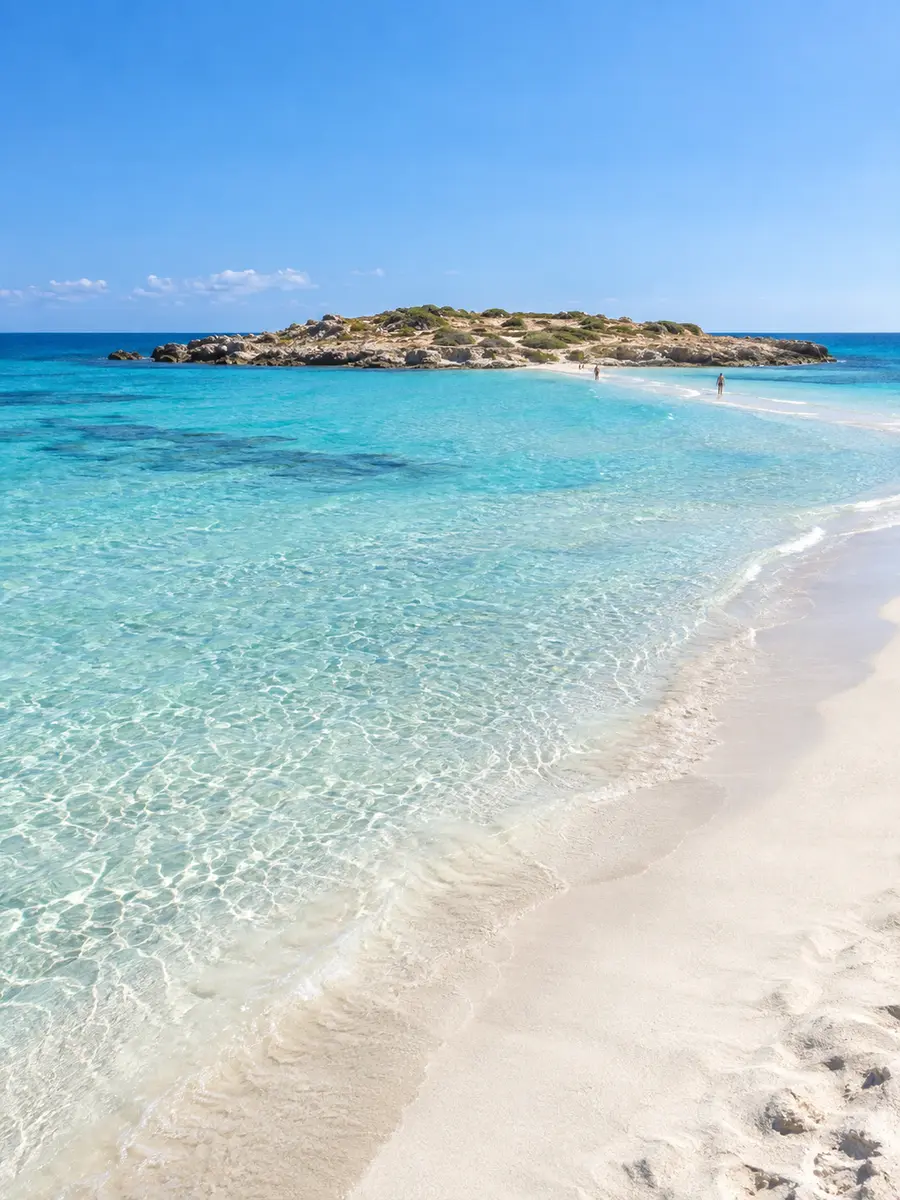
Nissi Beach
Nissi is known for pale sand, turquoise shallows and a natural sandbar leading towards a small islet.
The islet
Nissi means island in Greek. A rocky islet lies close to shore and a natural sand strip may connect it with the beach; its shape and water depth change with sea conditions.
Beach atmosphere
The roughly 300-metre bay has seasonal facilities and water sports and can be very lively in summer. Early morning is usually better for a quieter visit.
Safety
Follow beach flags and lifeguards. Never jump from the islet without checking depth and conditions, keep children supervised and stay clear of water-sport corridors. Services are seasonal.
Sources
FAMILY BAY OF PROTARAS
Fig Tree Bay
Fig Tree Bay is central Protaras’s sandy beach, with shallow water and a small islet offshore.
The name
The bay takes its name from an old fig tree by the coast. Stories about exactly when it arrived differ, so this is presented as local naming tradition rather than a precisely documented event.
Family visit
A gently shelving shore and developed facilities make the bay popular with families. It can be crowded in peak hours; early morning usually offers easier parking and a calmer atmosphere.
Safety
Observe flags, swimming boundaries and watercraft zones. Do not swim to the islet when tired, in waves or amid boat traffic, and supervise children continuously even in shallow water.
Sources
SEA BELOW ANCIENT KOURION
Kourion Beach
A broad shore in Episkopi Bay lies beneath the cliffs and archaeological site of ancient Kourion.
Landscape
About seventeen kilometres west of Limassol, the beach combines sand and pebbles beneath a pale limestone escarpment. The theatre, mosaics and basilica of Kourion occupy the plateau above and require a separate visit.
Sea and facilities
The bay is exposed to wind and conditions can change through the day. Restaurants and seasonal beach services operate on selected sections; facilities are not guaranteed year-round.
Safety
Follow flags and lifeguards, wear water shoes if needed and keep away from the base of cliffs because stones can fall. Never assume calm-looking water is free of current.
Sources
SHELTERED BAY OF PEGEIA
Coral Bay
Coral Bay is a popular sandy beach north of Paphos, curving between limestone headlands.
The bay
The beach lies in Pegeia and extends for roughly half a kilometre. Its curved shore and headlands provide a recognisable setting, while the gradual entry makes it popular with families.
Planning a visit
Seasonal sunbeds, food, changing facilities and water activities are available. Summer and weekends are busy; early morning is usually calmer and makes parking easier.
Safety
A sheltered shape does not guarantee calm conditions. Follow flags, keep away from water-sport lanes, supervise children and take care on slippery rock at the edges of the bay.
Sources
THREE BAYS AND AN ANCIENT NECROPOLIS
Makronissos Beach
Makronissos near Ayia Napa combines sandy coves with a nearby Hellenistic and Roman burial site.
The beaches
About five kilometres from central Ayia Napa, Makronissos is a group of three bays. Golden sand and a relatively sheltered setting suit relaxed visits; seasonal facilities and water sports operate nearby.
Ancient tombs
A rock-cut necropolis lies within walking distance. Archaeologists investigated chamber tombs and a sanctuary. It is a protected site: remain behind barriers and never damage stone surfaces.
Planning and safety
Visit the tombs before midday heat, then continue to the beach. Follow flags, keep clear of watercraft lanes and do not jump from rocks. Lifeguard cover and facilities are seasonal.
Sources
WHITE ROCK AND DARK SAND
Governor’s Beach
Governor’s Beach between Limassol and Larnaca is recognised by small coves, pale limestone ledges and contrasting dark sand.
A coastal district
The name covers several bathing areas near Pentakomo. Sandy pockets, flat rock and white cliffs alternate, so access, seabed and facilities differ from one cove to another.
The name
A common account connects the modern name with a British colonial governor who came to this coast for recreation. Details vary, so it is presented as local naming tradition.
Safety
Limestone can crumble and wet rock is slippery. Never sit directly below unstable overhangs or jump from unverified ledges. Choose a marked bathing area and follow current flags and lifeguard guidance.
Sources
MARINE BAY OF AKAMAS
Blue Lagoon, Akamas
The Blue Lagoon off north-west Akamas is known for transparent water and is most commonly visited by boat from Latchi.
Colour and conditions
A pale seabed and clear shallow water create turquoise tones in sunshine. Colour and visibility vary with cloud, waves, season and boat traffic, so promotional photographs cannot guarantee the day’s conditions.
Getting there
The usual option is an organised trip or rental boat from Latchi. Land approaches use difficult tracks; ordinary rental cars and insurance may not be suitable.
Safety and nature
Confirm lifejackets, shade and drinking water on board. Swim only where the captain permits, away from manoeuvring boats. Never leave rubbish, disturb marine life or ignore weather-related route changes.
Sources
LARNACA CITY BEACH
Finikoudes Beach
Finikoudes runs along Larnaca’s palm-lined centre, close to Europe Square, the marina and the medieval castle.
The name
Finikoudes means “little palms”. A palm avenue planted in the early twentieth century grew into Larnaca’s principal promenade and gave its name to the beach.
City and sea
The gently shelving shore has the grey-beige sand typical of Larnaca. Saint Lazarus Church, Larnaca Castle, the marina and old streets are within walking distance.
Practical safety
Facilities and lifeguards are seasonal. Cross the coastal road only at designated points, stay within swimming limits, supervise children and protect belongings. Central parking can be difficult in summer.
Sources
UNESCO WORLD HERITAGE
Paphos Archaeological Park
Kato Paphos Archaeological Park traces the city from the Hellenistic age to early Christianity and is especially celebrated for its Roman mosaics.
History of the city
Nea Paphos was founded in the late fourth century BC and became the island’s administrative centre. Under the Ptolemies and then Rome it expanded around its harbour. The park preserves public buildings, houses, a theatre, early Christian remains and fortifications from several periods.
Villas and mosaics
The best-known discoveries are the mosaic floors in the Houses of Dionysus, Theseus, Aion and Orpheus. They show mythology, hunting and daily life. Modern archaeologists named the houses after their principal mosaic subjects; the names are not necessarily those of their ancient owners.
Why UNESCO
Paphos entered the World Heritage List in 1980. UNESCO recognises the exceptional value of its ancient remains, mosaics, cemeteries and long association with the cult of Aphrodite. The park forms part of the wider “Paphos” property rather than a separate fourth Cypriot World Heritage site.
Visiting
The extensive site is mostly outdoors. Wear closed shoes and bring water, a hat and sun protection; allow at least two hours. Paths can be uneven and stone becomes very hot in summer. Check current hours and ticket information before travelling.
Sources
NECROPOLIS WITHIN THE UNESCO PROPERTY
Tombs of the Kings
A monumental Hellenistic and Roman rock-cut necropolis near the sea.
Why “royal”
Despite the name, there is no evidence that kings were buried here. The necropolis mainly served senior officials and wealthy residents of Paphos. Its modern name reflects the monumental courtyards, colonnades and chambers, which resemble palaces for the living.
Rock-cut architecture
The tombs were created from about the third century BC and used through the Hellenistic and Roman periods. Many are cut directly into bedrock; some surround an open atrium with Doric columns, reflecting the eastern Mediterranean connections of Ptolemaic Cyprus.
Archaeology and UNESCO
Travellers knew the necropolis for centuries, while systematic investigation gradually replaced the search for antiquities. Excavations by the Department of Antiquities were especially active in the late twentieth century. The tombs belong to the World Heritage property “Paphos”.
Visiting
The route is outdoors and includes stone steps, descents and uneven surfaces. Wear non-slip shoes and carry water and sun protection. Do not cross barriers or touch vulnerable parts of the monument.
Sources
ANCIENT CITY ABOVE THE SEA
Kourion
One of Cyprus’s most impressive archaeological complexes: a theatre, Roman houses, mosaics, baths and an early Christian basilica on a high coastal plateau.
From kingdom to Roman city
Kourion was one of the ancient city-kingdoms of Cyprus. Tradition associates its early Greek inhabitants with settlers from Argos. The most visible monuments today belong to the Hellenistic, Roman and early Byzantine periods, when the city was an important regional centre.
The theatre and House of Eustolios
The theatre originated in the Hellenistic age and was repeatedly rebuilt under Rome. Nearby, the Eustolios complex has baths and mosaic inscriptions. Its early Christian development shows how urban life changed with religion and society.
Earthquakes and human stories
Powerful fourth-century earthquakes severely damaged Kourion. In the so-called Earthquake House, archaeologists found evidence of a sudden disaster and the remains of residents who died. The site therefore preserves both monumental architecture and a tragic moment of ordinary life.
Visiting
The site is exposed and often windy. Bring water, a hat and sun protection. The principal areas are spread out and some paths are uneven. Verify current hours and ticket arrangements on official channels.
Sources
UNESCO WORLD HERITAGE
Choirokoitia
Choirokoitia preserves rare evidence of early farming communities in Cyprus, thousands of years before the ancient city-kingdoms.
Neolithic settlement
Choirokoitia was occupied between the seventh and fourth millennia BC. Its inhabitants built circular structures of stone and mud brick, farmed, kept animals and made stone tools. Reconstructed buildings near the site suggest how the settlement may have looked.
Life in the community
The settlement occupied a slope protected by a substantial wall. Circular buildings formed household groups, and the dead were often buried beneath dwelling floors. These discoveries help archaeologists study family organisation, diet, crafts and beliefs in the early Neolithic.
Why UNESCO
UNESCO inscribed Choirokoitia in 1998 as one of the most important prehistoric sites in the eastern Mediterranean. Its architecture, burials and artefacts provide exceptional evidence for the spread and development of settled farming life on an island.
Visiting
The archaeological slope involves steps and uneven ground. Wear stable shoes, take water and avoid the hottest hours. The reconstructed houses explain the original structures, but they are modern educational reconstructions and should not be mistaken for untouched ancient buildings.
Sources
ANCIENT KINGDOM AND CULT OF APHRODITE
Amathus
The ruins of one of Cyprus’s oldest city-kingdoms survive beside the sea east of Limassol.
History
Amathus emerged as an important centre in the early Iron Age. It maintained close links with eastern Mediterranean cultures, prospered in Hellenistic and Roman times and later became a Christian bishopric. Earthquakes and early medieval raids accelerated its decline.
City and sanctuary
The site preserves an agora, baths, houses, basilicas, fortifications and a harbour complex. A major sanctuary of Aphrodite Amathusia stood on the acropolis. The original monumental stone vessel is in the Louvre; a copy stands at the site.
Myth and tradition
Plutarch recorded a local tradition about Ariadne: in one version Theseus left her here while she was pregnant, she died in childbirth and was honoured as Aphrodite-Ariadne. This is ancient tradition, not proven foundation history.
Visiting
The area extends along the coast and the acropolis climb requires time and suitable footwear. Bring water and sun protection. Part of the ancient harbour is submerged and is easiest to discern when the sea is calm.
Sources
SANCTUARY OF THE WOODLAND PROTECTOR
Sanctuary of Apollo Hylates
This pan-Cyprian sanctuary near Kourion was dedicated to Apollo Hylates, protector of woodland and guardian of the city.
Apollo Hylates
The epithet Hylates is generally linked with woodland. The earliest votive evidence dates roughly to the eighth and seventh centuries BC, while the most visible ruins and reconstructed temple belong mainly to Roman times.
The pilgrim’s route
Ancient visitors entered along a road passing buildings for pilgrims and attendants. The complex contained a temple, altars, treasury, baths and palaestra: an organised religious centre rebuilt over many centuries.
Sacred space
Worship here was linked with protection of nature, fertility and the welfare of Kourion. Stories of severe punishment for violating the sanctuary belong to ancient religious tradition and are not presented as documented incidents.
Visiting
The site is exposed to the sun. Wear suitable shoes and bring water and sun protection. Remain behind barriers. It combines well with Kourion, but allow enough time for both.
Sources
MEDIEVAL FORTRESS AND COMMANDARIA
Kolossi Castle
Kolossi Castle recalls the Hospitallers, medieval sugar production and Commandaria wine.
The commandery
Kolossi became a major estate of the Order of Saint John in the thirteenth century. The surviving three-storey keep was built in 1454 under commander Louis de Magnac.
Sugar and wine
Remains of a sugar-processing installation and aqueduct survive nearby. Commandaria wine takes its name from the knightly commandery; the phrase “wine of kings” is presented as popular tradition.
Visiting
The keep has steep stone stairs and narrow passages. Wear stable shoes, use handrails and check current opening hours with the Department of Antiquities.
Sources
CYPRUS’S PRINCIPAL ARCHAEOLOGICAL COLLECTION
Cyprus Museum
The island’s largest archaeological museum traces Cypriot culture from prehistory to Roman times.
Origins
The Cyprus Museum was founded in Nicosia in 1882 after a public petition sought protection for the island’s antiquities. Its history is closely linked with the development of professional archaeology and the Department of Antiquities.
The collection
Chronological galleries lead from the Neolithic and Chalcolithic periods through the Bronze Age and ancient city-kingdoms to Hellenistic and Roman times. Displays include pottery, sculpture, terracotta figures, jewellery, coins and finds from sanctuaries and cemeteries.
Why it matters
Most exhibits were discovered in Cyprus. Together they explain the island’s history and give useful context for archaeological sites such as Paphos, Kourion, Amathus and Choirokoitia.
Visiting
Allow at least ninety minutes. Gallery access and opening hours may change during museum projects, so check the latest announcement from the Department of Antiquities.
Sources
SEA CLIFFS AND NATIONAL FOREST PARK
Cape Greco
Cape Greco brings together limestone cliffs, sea caves, clear water and coastal trails between Ayia Napa and Protaras.
Protected landscape
Cape Greco National Forest Park protects coastal scrub, juniper, pine groves and limestone formations. The area is also part of the European Natura 2000 network. Visitors should remain on marked routes and must not collect plants or disturb wildlife.
Sea caves and arches
Waves gradually shaped cavities, arches and ledges in the limestone coast. These formations continue to erode naturally, so their edges can be unstable. A viewpoint that looks safe in a photograph may be dangerous after wind, rain or rock fall.
The bridge and the monster legend
Kamara tou Koraka is a natural rock arch whose name means “the Crow’s Arch”. Local folklore also speaks of the friendly Ayia Napa sea monster. The creature belongs to modern legend and is presented as part of local storytelling, not zoological fact.
Walking and viewpoints
Trails lead through the park to viewpoints, chapels and picnic areas. Distances and shade vary, and summer heat can be severe. Carry water, wear closed shoes and avoid exposed walks around midday.
Safety
Do not cross barriers, stand at cliff edges or jump into the sea from unverified places. Waves, underwater rocks and the absence of an easy exit can make cliff swimming dangerous. Follow local signs and weather warnings.
Sources
LIMESTONE GORGE OF AKAMAS
Avakas Gorge
Avakas is a narrow gorge carved by water through limestone, with high walls, boulders and a demanding natural route.
How the gorge formed
Water cut through the limestone over a long geological period, creating a channel that narrows between tall rock walls. Erosion continues today, so the shape of the stream bed and the position of stones can change after heavy rain.
Plants and wildlife
Shade and moisture support ferns, plane trees, oleanders and other vegetation different from the dry plateau above. Wildlife should be observed quietly and never fed or handled. Protected plants must not be picked.
Not an ordinary path
The route follows rough natural ground rather than a paved promenade. Visitors step over stones, cross the stream bed and negotiate obstacles. After rain, water rises, surfaces become slippery and the risk of falling rocks increases.
When not to enter
Do not enter during rain, immediately after heavy rainfall or when storms are forecast. Flash flooding can develop quickly in a narrow gorge even when conditions near the entrance seem manageable.
Preparation
Wear sturdy footwear with good grip, carry water and allow enough time to return before dark. Mobile reception may be unreliable. The route may not suit small children or people with limited mobility.
Sources
FOREST TRAIL AND WATERFALL
Caledonia Waterfall
Caledonia is one of Troodos’s best-known waterfalls, reached by a cool trail following the Kryos Potamos stream.
Name of the waterfall
A widely repeated explanation links the name with nineteenth-century Scottish visitors, who thought the forest resembled Caledonia, the ancient Latin name for Scotland. This is presented as the traditional origin of the modern name.
Forest and water
The waterfall lies above Pano Platres among plane trees, pines, alder and moisture-loving vegetation. Water drops about twelve metres, but its volume varies considerably with season and rainfall.
The walk
The full linear trail follows the stream over bridges, stones, roots and changes of level. A shorter approach is available from the Psilo Dendro side. Wet weather makes the route more demanding.
Safety
Rocks beside the stream are slippery, so footwear with good grip is essential. Do not climb barriers or stand below unstable rock. Check trail conditions and avoid the route during heavy rain.
Sources
THE MOUNTAIN HEART OF CYPRUS
Troodos Mountains
Troodos unites forests, villages, monasteries, waterfalls, vineyards and exceptional geology.
Ancient ocean floor
Troodos contains a remarkably preserved ophiolite complex: fragments of ancient oceanic crust and upper mantle raised by tectonic processes. These rocks have helped scientists understand the structure of the ocean floor.
Forests and climate
Altitude makes the mountains cooler than the coast. Pine, plane trees, golden oak and endemic plants grow here, and the forests shelter the Cyprus mouflon. Many island streams begin in the range.
People and heritage
Mountain communities developed wine-making, crafts and terraced farming. Remote valleys also preserved medieval churches with exceptional paintings; ten form a UNESCO World Heritage property.
Visiting safely
Weather can differ sharply from the coast. Winter brings snow, ice and possible road closures; summer brings wildfire risk. Check forecasts and road conditions, carry a warm layer and never light fires outside permitted areas.
Sources
THE HIGHEST POINT OF CYPRUS
Mount Olympos
Olympos, also called Chionistra, rises to 1,952 metres and reveals the island’s cooler mountain character.
Troodos summit
Olympos is Cyprus’s highest point and part of the Troodos ophiolite. The summit itself contains communications installations and access is restricted, but nature trails and viewpoints surround it.
Winter and summer
When snow is sufficient, small ski runs operate in winter. Summer offers cooler forest walks. Snow cover, lift operation and road conditions must always be checked immediately before travel.
Name and ancient tradition
The modern name recalls the Greek Olympus, but this is a separate Cypriot mountain. Strabo mentioned a sanctuary of Aphrodite Akraia, “Aphrodite of the Heights”, in the region; precise identification with a modern tourist point remains uncertain.
Safety
Winter can bring ice, fog and road restrictions. In summer remain on trails and observe fire rules. Carry a windproof layer even on a warm day and check the mountain forecast.
Sources
WILD NATURE OF WESTERN CYPRUS
Akamas Peninsula
The Akamas Peninsula is a mosaic of rocky coast, gorges, forest, bays and habitats for rare species.
Natural landscape
Akamas preserves one of the island’s least developed coastal landscapes. Limestone plateaux, gorges, scrub, juniper and marine bays meet here. Parts are protected through the Natura 2000 network.
Turtles and plants
Western beaches include nesting habitat for green and loggerhead turtles. Never touch nests, place umbrellas in protected zones or leave lights and rubbish at night. Rare and endemic plants also require protection.
The name Akamas
Tradition connects the name with Akamas, a hero of the Trojan cycle and son of Theseus. This is mythological etymology, not a documented biography of a peninsula founder.
Visiting
Many roads are rough and may be damaged by rain; ordinary rental insurance often excludes them. Choose an official route, walking tour or prepared driver. Never drive off-road or disturb animals.
Sources
MYTH OF APHRODITE AND ADONIS
Baths of Aphrodite
A shaded natural grotto on Akamas became one of Cyprus’s best-known mythological stops.
The place
The Baths are a small natural pool beneath rock, surrounded by fig trees and other vegetation. It is a quiet landmark near the start of nature trails, not a beach or a swimming pool.
Mythological story
Local tradition says Aphrodite bathed here and met the hunter Adonis when he stopped to drink from the spring. This is myth; ancient and later versions of the Aphrodite and Adonis story differ.
Belief about the water
The spring is sometimes credited with rejuvenating qualities. This is identified as folk belief, without any promise of medical or physical effect. Do not drink the water or enter the pool where local rules prohibit it.
Visiting
The Aphrodite and Adonis trails begin nearby and offer coastal views. Full routes require time, water and suitable shoes. Avoid midday heat and take care on damp, slippery surfaces around the grotto.
Sources
RAMSAR WETLAND
Larnaca Salt Lake
Larnaca’s salt-lake complex changes with the seasons: winter water attracts migratory birds, while summer often leaves a crust of salt.
A seasonal ecosystem
The lake system is one of Cyprus’s most important wetlands, protected under the Ramsar Convention and Natura 2000. Saline water supports small crustaceans eaten by flamingos and other waterbirds.
When to see flamingos
Flamingos are usually observed in the wet, cooler season, but their presence and numbers cannot be guaranteed: they depend on water, food and migration. Observe birds from a distance and remain on permitted paths.
History of salt
For centuries salt was gathered and piled before export. Commercial harvesting ended in the twentieth century. Today the area’s primary value is ecological; never damage or consume the salt crust.
Tradition of Saint Lazarus
A folk tradition says that a woman refused Lazarus food and drink and claimed her vineyard had dried up; he foretold that the place would become a salt lake. This is religious folklore, while salinity has geological and hydrological causes.
Visiting
Do not approach or feed birds and do not walk onto wet salt surfaces. Binoculars are useful. Morning and evening are often pleasant, but the appearance of the lake depends strongly on the current season.
Sources
LEGENDS AND NATURE
Petra tou Romiou — Aphrodite’s Rock
The celebrated sea rocks between Paphos and Limassol, where the ancient myth of Aphrodite meets the Byzantine legend of Digenis Akritas.
The ancient myth
In Hesiod’s Theogony, Aphrodite emerges from the foam of the sea. Cypriot tradition associates her arrival on the island with this stretch of coast, which is why the place is widely known as Aphrodite’s Rock. This is a mythological account, not a historically proven event.
Why Cyprus is linked to Aphrodite
The island’s association with the goddess extends far beyond this rock. At Palaepaphos, present-day Kouklia, an ancient sanctuary of Aphrodite attracted worshippers for many centuries. Paphos and the remains connected with this cult form part of a UNESCO World Heritage property.
The legend of Digenis Akritas
The Greek name Petra tou Romiou means “Rock of the Romios”. Byzantine legend says that the frontier hero Digenis Akritas hurled a huge rock into the sea while defending the island from Saracen raiders. Ancient myth and medieval heroic tradition therefore meet in the same landscape.
What to see
The main attraction is the natural composition of offshore rocks, open horizon and pale shoreline. The coast is especially expressive in the morning and before sunset. Visitors must not attempt to climb the rocks.
Safety
The sea around the rocks can be rough, with strong waves, currents and slippery stones. Enter the water only when conditions are safe, follow local warnings and keep away from the shoreline during heavy swell. The story about swimming around the rock is deliberately not included.
Sources
CHRISTIAN SHRINE
Church of Saint Lazarus
One of Larnaca’s principal churches, built over the venerated tomb of Saint Lazarus, the friend of Christ in the Gospel.
The Gospel account
In the Gospel of John, Lazarus of Bethany is called a friend of Jesus Christ. After Lazarus died, Christ came to the tomb and raised him on the fourth day. For this reason Orthodox tradition calls him Lazarus the Four-Days-Dead.
According to church tradition
After the Resurrection of Christ, Lazarus left Judea and came to Cyprus. Tradition connects him with ancient Kition, modern Larnaca, where the Apostles Paul and Barnabas appointed him the first bishop. He is said to have lived for about thirty more years and to have been buried here a second time.
The church and tomb
Church history records that around 890 a tomb bearing the words “Lazarus, four days dead, friend of Christ” was discovered. Emperor Leo VI ordered part of the relics transferred to Constantinople, and a stone church was built over the Larnaca tomb in the late ninth or early tenth century. A crypt beneath the sanctuary leads to the revered burial place.
Traditions associated with the saint
Church tradition says that the Virgin Mary visited Lazarus in Cyprus and gave him an episcopal vestment. A folk story says that after experiencing death he rarely smiled; when he saw a thief stealing a clay vessel, he remarked that “clay steals clay”. These are spiritual traditions rather than independently documented events.
Visiting respectfully
Look for the carved gilded iconostasis, historic icons, stone architecture and crypt. This is an active Orthodox church: keep quiet, cover shoulders and knees, and do not disturb services. Access to the church, museum and crypt may change on feast days, so current hours should be checked.
Sources
CELEBRATED MONASTERY OF CYPRUS
Kykkos Monastery
The mountain monastery of Kykkos, founded in the late eleventh century, houses one of the island’s most revered icons of the Virgin Mary.
Foundation
The monastery was founded in the late eleventh century under Byzantine emperor Alexios I Komnenos. The original buildings do not survive: repeated fires and rebuilding mean that today’s ensemble contains architecture and decoration from several later periods.
The tradition of the hermit Isaiah
Monastic tradition tells how the hermit Isaiah met the Byzantine governor Manuel Boutoumites on the mountain. Illness, repentance and recovery led to a request that an imperial icon of the Virgin be brought to Cyprus. This is church tradition and should not be read as a fully documented chronicle.
The Kykkotissa icon
The principal shrine is known as Kykkotissa, or Our Lady of Mercy. Church tradition attributes it to the Apostle Luke, but this attribution has not been established by scholarship. The face is covered by a precious veil. Pilgrims pray before it, but no healing or other outcome can be guaranteed.
Makarios III and Throni
Makarios III, later Archbishop and first President of the Republic of Cyprus, began his monastic life at Kykkos. His tomb stands at Throni, a nearby summit reached by a panoramic road and visited as a separate memorial stop.
Visiting
Kykkos is an active monastery. Cover shoulders and knees, keep quiet and respect services; photography may be restricted in some rooms. The complex has a museum. Access rules and opening hours should always be checked before travelling.
Sources
MOUNTAIN OF THE CROSS
Stavrovouni Monastery
A monastery on an isolated summit above the Larnaca district, associated with the Holy Cross and the church tradition of Saint Helena.
Meaning of the name
Stavrovouni combines the Greek words stavros, “cross”, and vouni, “mountain”: the Mountain of the Cross. Its summit position offers wide views across the plains and coast, while the monastery is regarded as one of Cyprus’s oldest religious centres.
The tradition of Saint Helena
Church tradition says that in the fourth century Saint Helena was returning from the Holy Land with relics of the Cross. After an enforced stop in Cyprus, she founded a monastery on the mountain and left a fragment there. Versions differ, so this is presented as religious tradition rather than a fully established historical account.
Relic and later history
A small fragment of the Cross is venerated in a cross-shaped reliquary. The community endured destruction and abandonment, and was restored by its brotherhood after the great fire of 1888. Its monks continue a strict life of prayer and a tradition of icon painting.
Important access rules
Traditionally only men may enter the main monastery; women may visit the external chapel on the summit, while rules for the dependency of Saint Barbara differ. Men must wear modest, covering clothes. Current opening days, hours and photography restrictions must be checked before departure.
The visitor experience
Even with restricted access, the road to the summit offers a remarkable panorama. This is first and foremost a functioning monastic community, not an ordinary museum, and quiet respect for its rhythm of life takes priority over sightseeing.
Sources
SHRINE, HISTORY AND MOUNTAIN FOREST
Machairas Monastery
Machairas Monastery, south of Nicosia, unites a revered icon, mountain scenery and modern Cypriot history.
Foundation
The monastery developed in the twelfth century with support from Byzantine emperor Manuel I Komnenos. It was rebuilt more than once, particularly after the destructive fire of 1892.
Tradition of the icon
Church tradition says that the monks Neophytos and Ignatios found an icon in an overgrown cave and used a knife — machairi in Greek — to open the way. The names Machairiotissa and Machairas are linked to this account. Attribution to the Apostle Luke is also church tradition.
Grigoris Afxentiou
Nearby is the hideout of EOKA leader Grigoris Afxentiou. Surrounded by British forces on 3 March 1957, he refused to surrender and died when the shelter was set alight. The memorial records this episode in Cyprus’s modern history.
Why it matters
For believers this is an active shrine and place of prayer. Other visitors encounter monastic tradition and a memorial to the independence struggle. Spiritual testimony is presented as faith, without promises of miracles.
Visiting
Cover shoulders and knees and do not disturb services. Monastic areas may be closed. Check museum hours, access to the hideout and current rules before taking the winding mountain road.
Sources
MOUNTAIN MONASTERY OF THE VIRGIN
Trooditissa Monastery
Trooditissa lies among the pines of Troodos and is known for its revered icon and traditions of prayer.
History
Tradition places the community’s origins after Byzantine Iconoclasm. Medieval buildings have not survived; the present complex developed mainly in the eighteenth to twentieth centuries after fires and reconstruction.
The icon
The revered icon of the Virgin Trooditissa is linked by tradition to a monk who brought it from Asia Minor. Attribution to the Apostle Luke is church tradition, not an established scholarly conclusion.
Tradition of the belt
Couples who have struggled to have children traditionally pray with a revered belt. Accounts of births after prayer are testimonies of believers, not a medical guarantee, and pilgrimage does not replace medical care.
Atmosphere
At roughly 1,300 metres, the monastery offers prayerful quiet and a secluded mountain landscape. It remains a living Orthodox community, so sightseeing must be discreet.
Visiting
Access for tourists or groups may be limited. Dress modestly and photograph only where permitted. Confirm that visitors will be received on the chosen day.
Sources
TWELFTH-CENTURY CAVE HERMITAGE
Agios Neophytos Monastery
The monastery near Paphos grew around the Enkleistra, a secluded home carved into the rock by Saint Neophytos the Recluse.
Neophytos seeks solitude
Neophytos was born in Cyprus in the twelfth century and sought the monastic life from a young age. In 1159 he chose a natural cave in the hills near Paphos and enlarged it by hand, creating a cell, a chapel of the Holy Cross, a refectory and his intended burial place.
A community develops
Neophytos initially wanted complete solitude. His spiritual reputation attracted disciples, however, and from around 1170 the Enkleistra became a small community. He wrote rules that limited its size and preserved the austere character of the hermitage.
Frescoes of the Enkleistra
The cave complex is especially important for its twelfth-century paintings. Some were created in 1183 by the painter Theodore Apseudes while Neophytos was alive. They combine established Byzantine subjects with unusual images of the founder.
Written legacy
Neophytos also wrote theological, historical and autobiographical works. His texts provide valuable evidence for spiritual life and events in Cyprus during the Crusader era. The monastery museum preserves icons, manuscripts and ecclesiastical objects.
Visiting
The Enkleistra is a fragile monument: never touch the frescoes and do not use flash where photography is restricted. Cover shoulders and knees in the church. Access to the caves, the museum and current opening hours should be checked before travelling.
Sources
TEN UNESCO MONUMENTS
Painted Churches of Troodos
The Painted Churches of Troodos form one World Heritage property comprising ten churches with outstanding Byzantine and post-Byzantine frescoes.
A group, not one church
The property comprises Saint Nicholas of the Roof, Saint John Lampadistis, Asinou, Panagia tou Arakou, Panagia at Moutoullas, Archangel Michael at Pedoulas, the Holy Cross at Pelendri, Panagia Podithou, Stavros Agiasmati and the Transfiguration church at Palaichori.
Humble exteriors, rich interiors
Small stone churches with steep timber roofs and flat hooked tiles are characteristic of Troodos. The roofs protect the structures from mountain weather. Their modest rural exteriors contrast strongly with the exceptionally refined paintings inside.
Five centuries of painting
The frescoes trace Cypriot art from roughly the eleventh to the sixteenth century. They reveal metropolitan Byzantine, local, Western and later Italo-Byzantine influences. Their dated inscriptions offer rare evidence for the chronology of medieval painting in the Eastern Mediterranean.
Why UNESCO
The first churches were inscribed in 1985 and the property was expanded in 2001. UNESCO recognises their exceptional testimony to Byzantine civilisation, the distinctive rural church architecture of Troodos and centuries of artistic exchange between East and West.
Planning a visit
The ten churches are distributed among mountain villages and cannot all be seen on a short excursion. Many remain active places of worship and access may depend on a local keyholder or service. Choose a nearby cluster, check opening arrangements, dress modestly and ask before photographing frescoes.
Sources
HISTORIC WALLED CAPITAL
Old Nicosia
Old Nicosia preserves a remarkable urban landscape inside the circular Venetian walls, where Byzantine, Frankish, Ottoman and British layers meet in a living divided capital.
The Venetian walls
The Venetians rebuilt the fortifications between 1567 and 1570, creating eleven heart-shaped bastions and three historic gates. Famagusta Gate is the best-known surviving entrance; the walls still define the old city’s distinctive plan.
A city of many eras
Churches, mosques, inns, workshops and residences reveal centuries of changing rule. Laiki Geitonia, Ledra Street, the Leventis Municipal Museum and the area around the Archbishop’s Palace offer different ways to read this history.
The divided city
The UN buffer zone still crosses Nicosia. Use only official crossing points, carry the required identity or travel documents and follow posted instructions. Do not photograph military positions, checkpoints or restricted areas.
Visitor advice
The old centre is best explored on foot. Wear comfortable shoes, allow time for museums and religious buildings, and check current opening hours, crossing requirements and photography rules before visiting.
Sources
HARBOUR AND MEDIEVAL FORT
Paphos Harbour & Castle
Paphos Harbour combines a working waterfront, the compact medieval fort and the entrance to the archaeological park in one of the city’s most popular walks.
A fortress repeatedly rebuilt
A Byzantine fort once protected the harbour. The Lusignans erected a new stronghold in the thirteenth century; the Venetians later dismantled it, and the Ottomans rebuilt the present fort in 1592.
Changing uses
The building served as a defence post and prison, and under British administration its rooms were used to store salt. Today its roof provides a broad view over the harbour and archaeological landscape.
A useful starting point
The promenade connects boat trips, cafés and the archaeological park. The fort’s upper level is reached by steep steps; surfaces can be hot and slippery, so suitable footwear and sun protection are advisable.
Plan the visit
Opening hours, admission and boat schedules vary by season. Check official information on the day, and never enter fenced archaeological or harbour-operational areas.
Sources
CASTLE, MARKET AND OLD PORT
Old Limassol & Castle
Old Limassol is a compact historic quarter where the medieval castle, market lanes, old port and contemporary marina can be explored on foot.
The castle
The present Limassol Castle is largely an Ottoman rebuilding over earlier fortifications. It houses the Cyprus Medieval Museum, with objects that trace the island’s history from the early Christian period to Ottoman rule.
Richard and Berengaria
Richard I of England married Berengaria of Navarre in Limassol in 1191, and she was crowned queen. Tradition often links the ceremony to the castle, but the visible structure is later and the exact medieval location is not certain.
The living old centre
The market, Saripolou Square and surrounding streets combine restored façades, small workshops and food venues. The old port and marina show the city’s transition from historic harbour to modern waterfront.
Visitor advice
Walk rather than drive through the narrow centre. Check museum hours before arrival, respect worship and residential areas, and take care on polished paving in rain or intense summer heat.
Sources
PALM-LINED CITY PROMENADE
Finikoudes Promenade
Finikoudes is Larnaca’s central seafront promenade, linking Europe Square and the marina with the medieval castle and the streets around Saint Lazarus Church.
Why “Finikoudes”
The name means “little palms”. The avenue was planted with palms in the early twentieth century; as they matured, the name remained and became inseparable from Larnaca’s public image.
A walk through the city
The northern end meets Europe Square and its colonial-era warehouses, while the southern end reaches Larnaca Castle. The marina, beach, cafés and historic centre are all within a short walk.
Events and atmosphere
The waterfront hosts major public celebrations, including events associated with Kataklysmos, the Festival of the Flood. Dates, closures and programmes change, so consult the municipality’s current announcements.
Practical advice
Use marked pedestrian crossings on the busy coastal road. Parking is limited in peak periods; walking or public transport is often easier. Protect belongings and follow seasonal beach-safety notices.
Sources
LACE, SILVER AND STONE LANES
Lefkara Village
Lefkara is renowned for its limestone streets, traditional silverwork and Lefkaritika lace, an embroidery tradition inscribed by UNESCO on the Representative List of the Intangible Cultural Heritage of Humanity in 2009.
Lefkaritika
The craft combines counted geometric patterns, hemstitch and distinctive finishing. Knowledge traditionally passed within families and workshops; UNESCO recognition concerns the living lace-making tradition, not the village as a World Heritage monument.
Leonardo’s lace
Local tradition says Leonardo da Vinci visited Lefkara in 1481 and bought an altar cloth for Milan Cathedral. The story is central to village identity, but its documentary details are debated and should be understood as a celebrated tradition rather than a fully proven episode.
Silver and architecture
Silversmiths are known especially for filigree work. Stone houses, inner courtyards and narrow lanes reward slow exploration, while local museums and workshops explain how the crafts are made.
Buying and visiting
Ask makers about materials, technique and origin before buying; not every lace-style souvenir is handmade locally. Streets are steep and uneven, and workshop hours vary, so check ahead and wear suitable footwear.
Sources
WINE VILLAGE OF THE TROODOS FOOTHILLS
Omodos Village
Omodos combines a broad stone-paved square, traditional houses, vineyards and the Monastery of the Holy Cross in one of Cyprus’s best-known wine villages.
Vineyards and food traditions
The surrounding slopes have long supported grape growing. Local products include wine, zivania, palouze grape pudding and soutzoukos. Tastings explain the tradition, but the driver should not consume alcohol.
The Holy Cross
The monastery complex dominates the village centre. Church tradition associates it with relics of the Holy Cross and the Holy Rope; these claims belong to ecclesiastical tradition and are presented as such, not as independently verified historical facts.
Village history
Wine presses, narrow lanes and restored homes show how agriculture, craft and pilgrimage shaped Omodos. Several explanations are offered for the village name, but no single etymology is universally established.
Visitor advice
Dress respectfully for the church, keep voices low during services and ask before photographing interiors. Stone paving can be slippery, and the central approach becomes busy on weekends and festival days.
Sources
MOUNTAIN VILLAGE AND FOLKLORE
Kakopetria Village
Kakopetria lies in the Solea Valley among streams, plane trees and traditional houses with stone lower floors, mud-brick upper levels and wooden balconies.
The old quarter
Palia Kakopetria preserves narrow lanes, projecting balconies and courtyard houses adapted to mountain life. Nearby watermills and paths recall a landscape shaped by the Kargotis and Garillis streams, which join to form the Klarios.
The “bad stone” legend
The name is commonly interpreted as “bad stone”. A local folk story tells of a large rock that rolled and killed a newly married couple. It is a legend explaining the place-name, not a documented historical event.
A UNESCO church nearby
Saint Nicholas of the Roof, a short distance from the village, is one of the Painted Churches in the Troodos Region included in the UNESCO World Heritage property. The designation belongs to the church within that serial site, not to all of Kakopetria.
Visitor advice
Old lanes are steep and can be slippery after rain or snow. Check winter road conditions, park outside the tight historic core when requested and respect residents, church services and photography restrictions.
Sources
MARATHASA HERITAGE VILLAGE
Kalopanagiotis Village
Kalopanagiotis climbs the Marathasa Valley in terraces of stone houses, orchards and tiled roofs, centred on the monastery complex of Saint John Lampadistis.
Saint John Lampadistis
The monastery brings together buildings and wall paintings from different periods. It is one of the ten components of the UNESCO World Heritage property Painted Churches in the Troodos Region; the precise designation applies to the church complex, not to the whole village.
Springs, bridge and mills
The valley is known for springs, a Venetian-period bridge and the restored Kykkos watermill. Mineral waters have long been part of local identity, but visitors should not treat traditional health claims as medical advice.
A village on steep slopes
Traditional houses and lanes follow the mountain contours. Viewpoints across the Setrachos valley show how orchards, water and religious foundations shaped settlement in Marathasa.
Visitor advice
Access involves slopes and steps, and roads may be difficult in winter. Dress modestly at the monastery, observe service and photography rules, and check opening hours and road conditions before travelling.
Sources
SCENIC BAY BETWEEN AYIA NAPA AND PROTARAS
Konnos Bay
Konnos is a small sheltered bay beside Cape Greco National Forest Park, known for clear water, golden sand and views from the coastal slopes.
Sea and landscape
The bay lies below pine-covered slopes and is often calmer than the open coast. Water colour and visibility vary with weather, season and visitor numbers.
Walks nearby
Paths towards Cape Greco begin near the upper parking and viewpoints. Heat and steep gradients make even a short walk demanding, so carry water, use sun protection and wear closed footwear.
Safety
The descent is steep and summer parking fills quickly. Follow flags and lifeguard instructions, stay inside swimming limits and never jump from cliffs. Check current access and services before travelling.
Sources
SEA ARCHES AND LIMESTONE CLIFFS
Ayia Napa Sea Caves
The Ayia Napa Sea Caves form a rugged limestone shoreline of arches, grottoes and open Mediterranean views.
How the forms developed
Waves and wind enlarged cracks in the limestone into recesses, caves and natural bridges. Erosion continues, so cliff edges and overhangs may be unstable.
Photography and sunset
The coast is especially popular in soft evening light. Enjoy views from firm ground; no photograph justifies approaching a crumbling edge.
Important warning
There are no guaranteed safe jumping points. Waves, depth and underwater rocks change, and lifeguards may be absent. Never stand below unstable overhangs and keep children away from the cliff edge.
Sources
COOL WATERFALL NEAR PLATRES
Millomeris Waterfall
Millomeris lies in the wooded Kryos Potamos valley near Platres and is valued for mountain coolness and a short walk beside running water.
Name and nature
A common explanation links the name to Cypriot words describing a damp place. Flow and appearance are seasonal: there is usually more water after rain and less during dry periods.
Getting there
The waterfall can be approached by a trail and by road to a nearby parking area. The final section includes uneven rocks and steps; visitors with limited mobility should assess access in advance.
Safety
Stones beside the water are slippery even in summer. Do not climb wet ledges or stand below loose rock, and take all litter away. Check mountain weather and road conditions in winter.
Sources
VENETIAN BRIDGE IN PAPHOS FOREST
Kelefos Venetian Bridge
Kelefos stone bridge crosses the Diarizos River on an old route through Troodos and is among Cyprus’s best-known Venetian bridges.
An old trade route
The bridge is attributed to the Venetian period. Such crossings connected mountain districts with the coast and helped goods, including ore, move through difficult river valleys.
Architecture and landscape
A broad stone arch sits naturally within the forest. Water level and vegetation are seasonal, so the setting changes markedly between winter, spring and summer.
Visiting safely
Stones and riverbanks can be slippery and mobile coverage may be weak. Do not climb parapets or light fires outside authorised places, and check forest-road conditions after heavy rain.
Sources
PRESERVED MOUNTAIN ARCHITECTURE
Fikardou Village
Fikardou is a small mountain village where restored stone-and-mudbrick houses, timber structures and working spaces illustrate traditional rural life in Cyprus.
A village museum
The historic fabric preserves the relationship between house, courtyard, storage and wine-making spaces. Museum displays in selected buildings explain the domestic and agricultural life of a mountain community.
Architecture
Stone lower floors, mudbrick walls, tiled roofs and wooden balconies used local materials and responded to the slope and climate.
Visiting respectfully
This is a protected and partly inhabited village, not a film set. Do not enter private courtyards, ask before photographing people and check museum hours. Lanes are steep and uneven.
Sources
HILLTOP VILLAGE AND SEASIDE BAY
Pissouri Village & Bay
Pissouri combines a traditional hilltop centre with a broad bay below, offering two contrasting sides of southern Cyprus in one visit.
Two sides of Pissouri
The village sits on a plateau with a central square, stone lanes and coastal views. The bay below functions as a separate resort area with a beach and water activities.
Local life
The square remains a focus for food, gatherings and seasonal events. Performance and festival schedules change, so consult current community information.
Practical advice
There is a substantial height difference between village and bay. Follow lifeguard flags at the beach and expect narrow streets and limited parking in the old centre.
Sources
EARLY CHRISTIAN MOSAIC AND LIVING SHRINE
Panagia Angeloktisti Church
Panagia Angeloktisti Church at Kiti preserves a rare apse mosaic of the Virgin and archangels dating from the early Byzantine period.
A church of several periods
The present building developed over the remains of an Early Christian basilica and contains work from several construction phases. Its outstanding artistic feature is the ancient apse mosaic.
“Built by angels”
Angeloktisti means “built by angels”. Local tradition says angels miraculously completed the church; this is a religious legend, not an established historical fact.
Visitor rules
The church remains a place of worship. Cover shoulders and knees, keep quiet and respect services. Flash or photography may be prohibited, and current opening hours should be checked in advance.
Sources
SANCTUARY OF APHRODITE AND UNESCO HERITAGE
Palaipafos & Sanctuary of Aphrodite
Palaipafos at modern Kouklia was one of the ancient Mediterranean’s most important centres of Aphrodite’s worship and forms part of the UNESCO World Heritage property of Paphos.
The ancient cult
Pilgrims came to the sanctuary of Aphrodite for many centuries. The goddess was associated here not with the familiar human statue but with an ancient conical sacred stone, now displayed in the museum.
Layers of history
The archaeological area preserves remains of the sanctuary and buildings from several periods. A museum in the medieval Lusignan Manor helps explain the transition from ancient cult centre to later history.
UNESCO and visiting
Palaipafos forms a serial UNESCO property with Nea Paphos. Stay behind barriers and do not touch masonry; check current opening hours and admission with the Department of Antiquities.